
Review · KATHMANDU HELICOPTER TOURS
Everest Base Camp Trek with Helicopter Return – 10 Days
The clever idea here is simple: walk up to Everest Base Camp, then skip the long return trek. On Day 9, you climb Kala Patthar for the big Himalayan panorama and fly from the high country back to Kathmandu by group-sharing helicopter. That saves several days of retracing the trail.
I like the careful acclimatization stops in Namche and Dingboche, plus the practical package that includes flights, lodges, meals, permits, a guide, porters, sleeping bag, down jacket, and walking pole. The small group, capped at 15 people, should also make it easier to keep track of the group. The main drawback is the pace: ten days is a demanding schedule, and high-altitude weather can disrupt the helicopter or Lukla flight.
Key points to know before booking
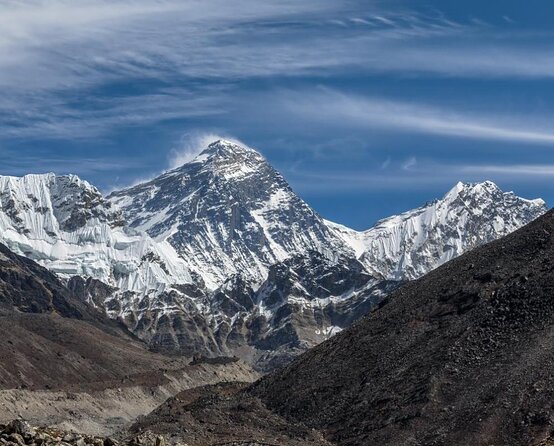
- Kala Patthar is the grand finale: Climb to the famous viewpoint, then return to Kathmandu by helicopter.
- The route passes four giant peaks: You trek through the Everest region with views connected to Everest, Lhotse, Makalu, and Cho Oyu.
- Acclimatization is built in: Namche includes a rest day and Dingboche includes another acclimatization stop.
- The package covers a lot: Lukla flights, tea-house lodging, meals during the trek, permits, porters, gear, and transfers are included.
- The group is limited to 15: That is small enough for a more personal trek, though it is not a private trip.
- Expect strong guide support: Guides named in past trips include Dipak, Ram, Ramesh Sapkota, Rabi, and other local crew members.
Why the helicopter return changes the whole trek
A standard Everest Base Camp trek usually requires you to walk back toward Lukla after reaching the high point. This trip changes the rhythm. You still get the classic approach through Sherpa villages, suspension bridges, pine forest, Buddhist walls, monasteries, and glacier country, but your reward at the end is not another long descent.
The helicopter flight follows the hike to Kala Patthar, described as the final trekking day. From up high, you get a very different view of the Khumbu region than you do on foot. You are not simply trading the walk back for a ride. You are adding one of the trip’s most memorable scenic moments.
There is a catch. The helicopter return is on a shared basis, so the timing and aircraft arrangements may depend on the group and on weather. The tour also requires a minimum number of participants. If poor weather cancels the experience, you are offered another date or a full refund, but you should not treat the helicopter as an absolute guarantee until the aircraft is in the air.
At $3,400 per person, this is expensive compared with a basic lodge trek. The price makes more sense once you count the Lukla flight, helicopter flight, private airport transfers, guide, porters, meals, permits, Kathmandu accommodation, and supplied trekking gear. You are paying for speed and convenience as much as for the mountains.
More Himalaya Helicopter Tours in Kathmandu:
- Everest Base Camp Helicopter Tour landing at Everest View Hotel
★ 5.0 · 668 reviews - Everest Base Camp Helicopter Tour landing at Hotel Everest View
★ 5.0 · 218 reviews - Everest Base Camp Trek with Helicopter Return from Gorakshep to Lukla
★ 5.0 · 161 reviews
Day 1: Kathmandu gives you a soft landing
Your airport pickup begins the trip with a private transfer to your Kathmandu hotel. The rest of the day is free, which is useful after an international flight and before the early start ahead.
Kathmandu is not just a place to sleep. It is your last low-altitude base before the mountain route begins. Use the time to rest, check your equipment, and make sure you understand the next morning’s meeting time, listed as 6:15 am.
Breakfast is included at the Kathmandu accommodation, but lunch and dinner in the capital are not. Personal expenses such as internet, laundry, hot showers, battery charging, phone calls, drinks, and bar bills also come from your pocket.
Day 2: The small Lukla flight and the walk to Phakding
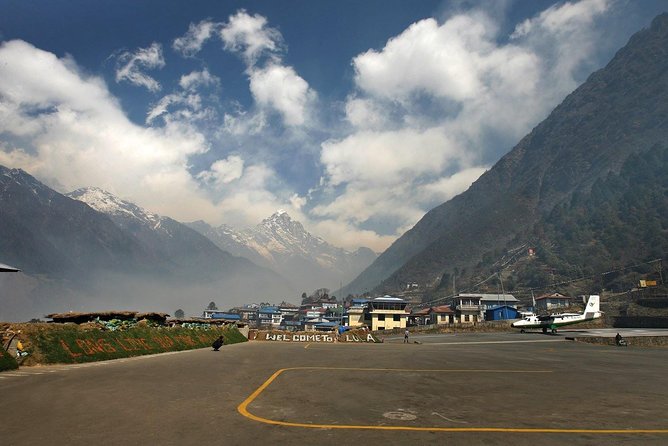
The day starts early with a drive to the domestic airport and a flight to Lukla. The flight itself is listed at about 30 minutes, but you should think of the whole morning as travel time because airport procedures and mountain conditions can affect the schedule.
Lukla is the gateway to the Everest region. After meeting the trekking crew, you begin walking toward Phakding through green scenery with views of Kusum Kanguru. This first section is a useful change of pace after the flight. You are moving on foot, but the opening stage is not yet the most punishing part of the route.
Phakding provides your first lodge night on the trek. Accommodation is in guest houses or lodges, often called tea houses in Nepal. This is practical mountain lodging, not a resort stay. The package covers the room and meals during the trek, while drinks and extras are separate.
Day 3: Namche Bazaar and the first serious climb
The route follows the Dudh Koshi River through pine forest before crossing the Hillary suspension bridge. You then enter Sagarmatha National Park, a protected area and UNESCO World Heritage Site.
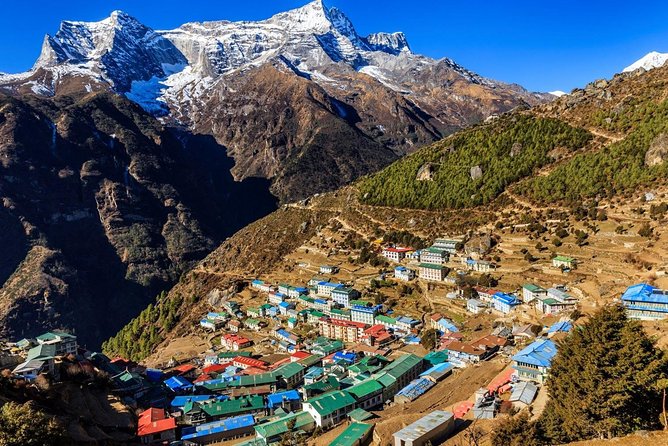
Namche Bazaar is the key settlement of the upper route and the traditional Sherpa capital. It is also where the trek begins to feel serious. The trail climbs toward Namche, and the combination of altitude and uphill walking is a useful warning about the days ahead.
The schedule includes time at the Sherpa Museum, where you can learn about local culture and traditions. Admission is not included, so bring a little spending money if you want to enter. Namche is more than a stopover. It is the place where you begin adjusting to thinner air, checking your body, and settling into the trek’s daily pattern.
More Heli-Hike Trips in Kathmandu:
- Everest Base Camp Trek with Helicopter Return to Lukla – 10 Days
★ 5.0 · 34 reviews - Everest Base Camp Trek with Helicopter Return -11 Days
★ 5.0 · 12 reviews - Helicopter Return Everest Base Camp Trek, KTM-LUKLA & Gorakshep-KTM by Heli
★ 5.0 · 9 reviews - Everest Base Camp trek with Helicopter return 9 days
★ 5.0 · 8 reviews
Day 4: Acclimatization above Namche
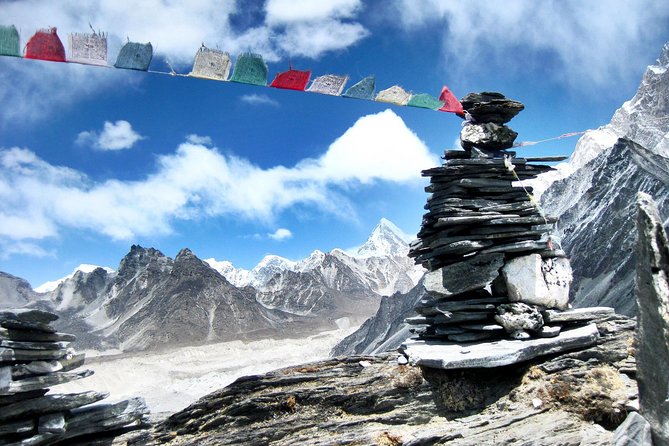
A full day is set aside for acclimatization in Namche. You hike toward Everest View Hotel and the Syangboche area, where the main reward is a broad mountain view that can include Everest and surrounding peaks.
I like this day because it is not wasted time. At high altitude, gaining height slowly matters. The hike gives you something to do while allowing you to return to Namche rather than sleeping higher up.
You should still treat the day as work, not as a lazy sightseeing stroll. The body is adjusting, and the next stages will take you into colder, higher country. Keep your pace steady and follow your guide’s advice.
Day 5: Forest, river crossings, and Tengboche Monastery
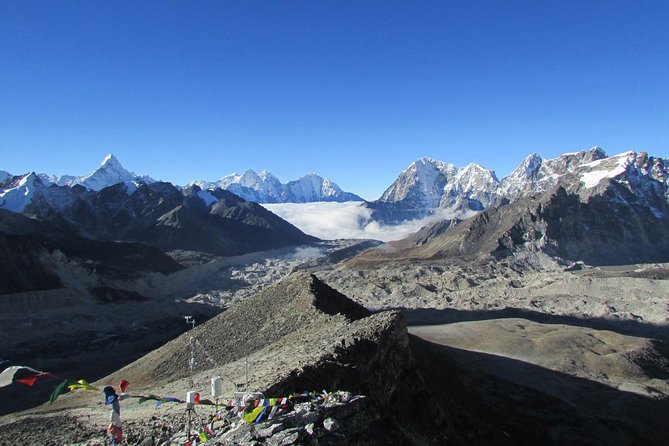
After Namche, the trail passes Kayangjuma and Sanasa before crossing the Dudh Koshi at Punki Tenga. The route then climbs more sharply toward Tengboche.
Tengboche is one of the most meaningful stops on the route because it has the largest monastery in the Khumbu region. The setting combines Buddhist culture with wide mountain views, giving the trek a stronger sense of place than a simple point-to-point hike.
This is also one of the days when the schedule can feel long. The supplied timings describe many trekking days as lasting up to 12 hours, although actual walking time can vary with the group, weather, breaks, and trail conditions. Do not read the ten-day length as an easy version of Everest Base Camp.
Day 6: Dingboche and the Imja Valley
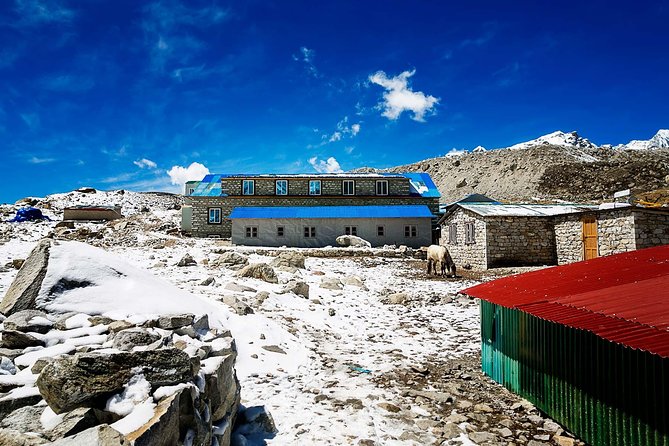
The trail climbs through chortens, Mani walls, and small villages before crossing the Imja Khola. You pass Pangboche, at about 3,900 meters, then enter the Imja Valley on the way to Dingboche.
The details here matter. Chortens and Mani walls are not decoration added for visitors. They show the Buddhist character of the Khumbu and make the walk feel connected to local life. You should pass them respectfully and follow the usual custom of walking around sacred objects in the proper direction.
Dingboche is another important acclimatization point. The village is a common resting place before the route climbs toward Lobuche and Gorakshep. At this height, the pace gets slower, and cold, fatigue, and altitude become more noticeable. Your guide’s role becomes especially important here. Past trips have used guides such as Dipak, Ram, and Ramesh Sapkota, with assistant guides and porters supporting the group.
Day 7: Toward Lobuche and the edge of the glacier world
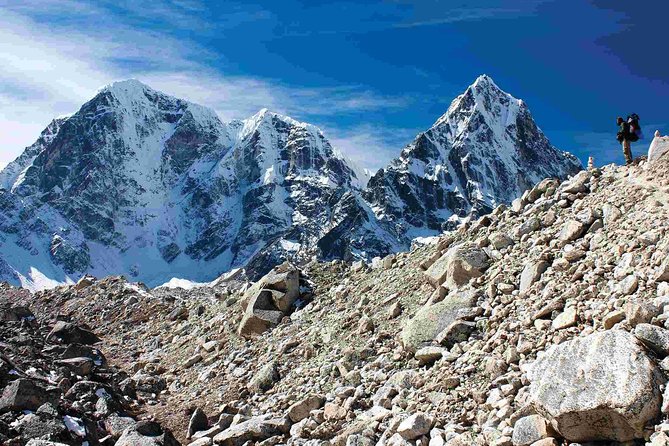
From Dingboche, the trail climbs through the Khumbu Khola Valley toward Duglha. Along the way, you pass places such as Dusa and Phulung Karpo before reaching the area near Chola Lake and the bridge leading upward.
Lobuche is close to the Khumbu Glacier and Lobuche Peak, which has east and west summits. The surroundings become more severe here. You are well above the tree line, and the route is increasingly defined by rock, ice, exposed ground, and enormous mountain walls.
This is a day for conserving energy. The next stage takes you to Everest Base Camp, followed by the Kala Patthar climb. Eat what is provided, drink enough of the available fluids, and avoid treating the schedule as a race.
Day 8: Everest Base Camp and Gorakshep
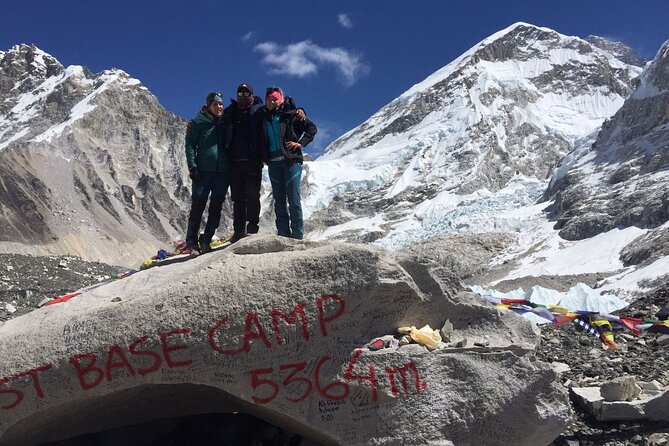
The route from Lobuche to Everest Base Camp has repeated climbs and descents. After roughly three hours of steady hiking, you reach Base Camp and see the Khumbu Glacier and icefall.
Everest Base Camp is the emotional target of the trek, but it is worth understanding what you will actually see. It is the starting point for climbers attempting Everest, not the summit and not a permanent town. The glacier and icefall create the dramatic setting, while the surrounding peaks show why this route is famous.
The planned visit at Base Camp is listed as about 30 minutes before returning to Gorakshep. That may sound short, but at this altitude, the return matters. Gorakshep is the final lodging stop on the trekking route and your base before Kala Patthar.
You should expect this to be one of the hardest days. The altitude, uneven trail, and accumulated fatigue all arrive at once. The helicopter return does not make the walk to Base Camp easier. It simply removes the long trek back after you have finished the high-altitude section.
Day 9: Kala Patthar, then the flight back
The last trekking day begins with a hike to Kala Patthar, the famous viewpoint for panoramic views of Everest and the Khumbu mountains. This is the point where the trip’s walking and flying elements meet.
Kala Patthar is not the summit of Everest. It is a high viewpoint, and its value comes from the angle it gives you toward Everest and the surrounding peaks. The climb can be tiring after Base Camp, but it is the right final effort for a trip built around views.
After Kala Patthar, you fly to Kathmandu by shared helicopter. This is the tour’s defining convenience. Instead of retracing the route through Lobuche, Dingboche, Tengboche, Namche, and Lukla, you trade several days of walking for a direct mountain flight.
The flight is also the least predictable part of the schedule. Weather is a major condition of the experience, and a delayed or canceled helicopter can alter the plan. Keep some patience for mountain aviation, and do not schedule an important international connection immediately after the expected helicopter arrival unless you have a safe buffer.
Day 10: Airport transfer and the end of the trip
After breakfast, a private vehicle takes you to the international airport for your flight home or onward connection. Airport pickup and drop-off are included according to the plan, which is one less detail to manage after a demanding trek.
The trip is designed to finish in Kathmandu without a separate hotel night being emphasized for the final evening. If your return flight is late or delayed, confirm how any extra accommodation will be handled before you book.
What the $3,400 price really covers
The cost is high, but the included services are unusually broad. You receive:
- Kathmandu accommodation with breakfast
- Airport transfers by private vehicle
- Kathmandu to Lukla by plane
- Gorakshep to Kathmandu by shared helicopter
- Tea-house or lodge accommodation during the trek
- Breakfast, lunch, and dinner during the trek
- An English-speaking trekking guide
- One porter for every two trekkers
- Porter transportation, food, lodging, salary, equipment, and insurance
- Everest permits and a TIMS card
- Duffle bag, down jacket, sleeping bag, and walking pole
- Trekking map and trip achievement certificate
- Government taxes, VAT, office charges, landing fees, and facility fees
That list explains the value better than the headline price. You are not simply buying a guided walk. You are buying a prepared mountain operation with transport, staff, permits, equipment, and food arranged in advance.
The exclusions are important. Nepal’s entry visa, Kathmandu lunches and dinners, drinks, internet, laundry, hot showers, phone calls, battery charging, and tips are not included. Tea, coffee, hot chocolate, boiled water, bottled water, soft drinks, beer, and other beverages are specifically extra.
Who this trek suits best
I would choose this trip if you want the classic Everest Base Camp route but have limited time for the return journey. It suits someone who values logistics and mountain scenery more than independent travel, since flights, lodging, staff, permits, meals, and equipment are arranged.
You need moderate physical fitness, but that phrase should not be read lightly. The trip includes long walking days, steep sections, cold conditions, and substantial altitude. The ten-day schedule leaves less room than a slower trek, so you should be comfortable walking for many hours and listening closely to your guide.
A small group can help. The maximum is 15 people, and the crew includes porters at a ratio of one for every two trekkers. Past trips have also praised the support of crew members including Dipak, Ram, Ramesh Sapkota, Rabi, Santos, and others. The exact guide assignment can vary, so confirm who will lead your departure.
Cancellation is free up to 24 hours before the start time. Changes or cancellations inside that window are not refunded, and poor weather can lead to a new date or a full refund. Those rules are fair for a trip that depends on mountain flights, but they make travel insurance and flexible planning sensible.
Should you book this Everest Base Camp trip?
Book it if you want Base Camp, Kala Patthar, and the Sherpa route in a compact ten-day plan, and if the helicopter return is worth paying for. I especially like the combination of acclimatization days, full trekking support, and the chance to avoid walking the same trail back to Lukla.
Think twice if you want a slow trek, a low-cost trip, or complete control over your daily schedule. The pace is ambitious, the helicopter depends on weather, and many extra costs appear in Kathmandu and at the lodges.
For a fit trekker with limited time, the helicopter return is the feature that makes the price easier to justify. Just allow room for delays, prepare for long high-altitude days, and confirm the exact guide and flight arrangements before departure.
FAQ
How long does the Everest Base Camp trek with helicopter return take?
The experience lasts approximately 10 days, beginning with arrival in Kathmandu and ending with an airport transfer on Day 10.
What time does the experience start?
The listed start time is 6:15 am. The early start is especially relevant on the day you travel from Kathmandu to Lukla.
Is the helicopter flight private?
No. The flight from Gorakshep to Kathmandu is provided on a group-sharing basis.
Are meals included?
Breakfast, lunch, and dinner are included during the trek. Breakfast is included with the Kathmandu accommodation, but lunch and dinner in Kathmandu are not included. Drinks are also extra.
Is accommodation included?
Yes. The package includes Kathmandu accommodation with breakfast and guest-house or lodge accommodation during the trek.
Is trekking equipment provided?
Yes. A duffle bag, down jacket, sleeping bag, and walking pole are included. The package also includes a trekking map and trip achievement certificate.
What happens if bad weather cancels the trip?
If poor weather causes the experience to be canceled, you are offered a different date or a full refund. The experience may also be canceled if its minimum number of participants is not reached.
Newly added flights around Kathmandu
- Guaranteed Landing at Everest Base Camp Kalapathar by Helicopter★ 5.0 · 38 reviews
- Day Tour to Everest Base Camp By Helicopter★ 5.0 · 16 reviews
- Mount Everest Helicopter Tour with Landings★ 5.0 · 2 reviews
- Kathmandu To Lukla By Helicopter Flight★ 5.0 · 6 reviews
- Mount Everest Scenic Helicopter Tour★ 5.0 · 6 reviews
- Langtang Helicopter Tour★ 5.0 · 6 reviews
- Everest Helicopter Tour★ 5.0 · 3 reviews
- Everest Base Camp Helicopter Tour with Hotel Everest View Landing★ 5.0 · 52 reviews
Kathmandu Helicopter Tours, compared.
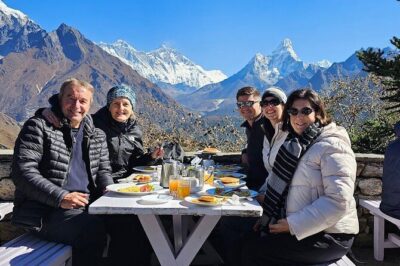
Everest Base Camp Helicopter Tour landing at Everest View Hotel
Read our review →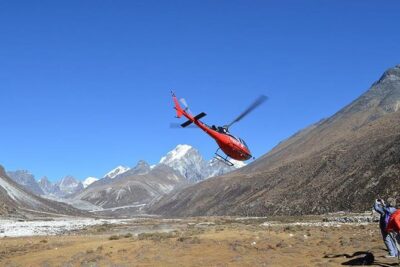
Everest Base Camp Helicopter Tour landing at Hotel Everest View
Read our review →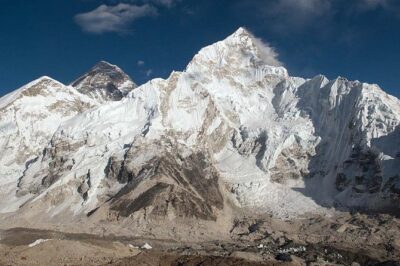
Everest Base Camp Trek with Helicopter Return from Gorakshep to Lukla
Read our review →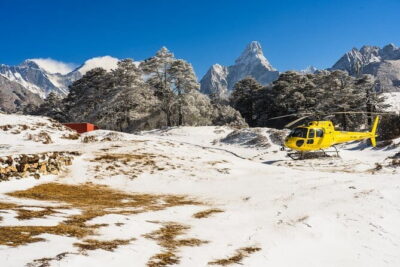
Everest Base Camp helicopter tour with landing
Read our review →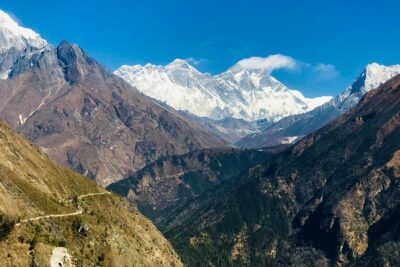
Everest Base Camp Helicopter Tour with Hotel Everest View Landing
Read our review →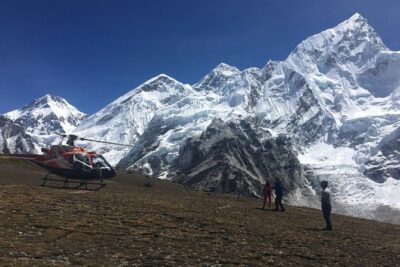
Guaranteed Landing at Everest Base Camp Kalapathar by Helicopter
Read our review →Everest Base Camp Helicopter Tour landing at Everest View Hotel.
Read our review →
Everest Base Camp Trek with Helicopter Return to Lukla – 10 Days
Read our review →Browse the lists this tour appears in