
Review · KATHMANDU HELICOPTER TOURS
Everest Base Camp Trek with Helicopter Return to Lukla – 10 Days
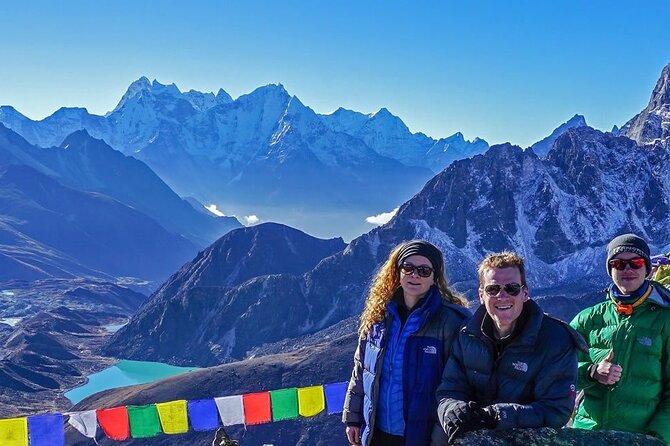
The clever twist here is the helicopter return from Gorakshep to Lukla. You walk into the Everest region the traditional way, reaching Base Camp and Kala Patthar on foot, then trade the long return trek for a short flight with sweeping views of the route below.
I like the built-in logistics and the small maximum group of 15. Permits, a licensed guide, a sleeping bag, a duffel, medical kit, and domestic flights are covered, while guides such as Ram and Rupak are praised for patience, good English, and careful attention to group fitness.
The main caution is the schedule. Ten days is brisk at high altitude, and the weather can affect both Lukla flights and the helicopter. You need moderate fitness, proper evacuation insurance, and a willingness to accept changes when mountain conditions call the shots.
Key points to know before booking
- Helicopter shortcut: Fly from Gorakshep to Lukla after completing the Base Camp and Kala Patthar section.
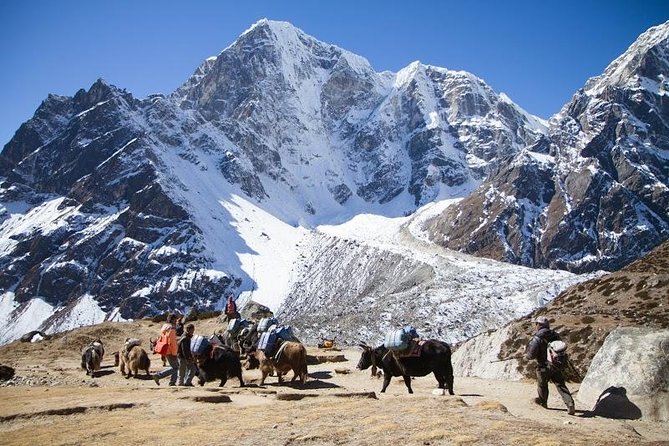
- High-altitude route: Walk through Namche Bazaar, Tengboche, and Dingboche before reaching Everest Base Camp.
- Useful inclusions: Sagarmatha National Park, TIMS, and Pasang Lhamu permits are covered, along with a sleeping bag, duffel, map, T-shirt, and first-aid kit.
- Small group size: The trip accepts a maximum of 15 people, giving the guide room to monitor the group.
- Cultural finish: Return to Kathmandu for a Nepali dinner with traditional dance.
- Important extra costs: You pay for trek meals, Kathmandu lunches and dinners, insurance, tips, personal expenses, and any porter service.
Why the Gorakshep helicopter return matters
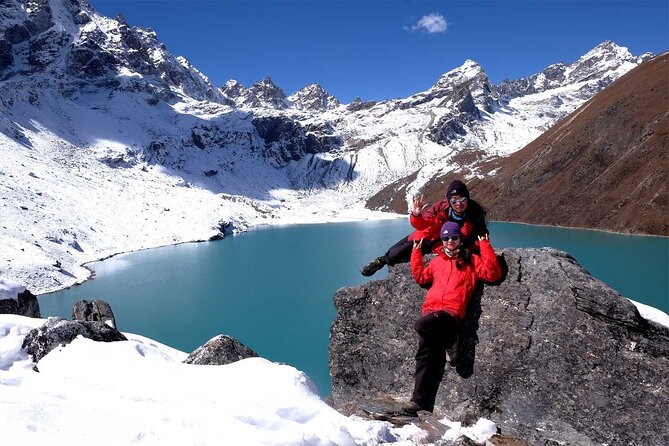
A standard Everest Base Camp route requires you to retrace your steps after reaching the high point. That return is not without rewards, but it adds several more days of walking and repeats much of the scenery.
Here, you finish the most demanding section at Gorakshep and take a helicopter to Lukla. This gives you a dramatic aerial look at the valleys and ridges you crossed on foot. It also makes a 10-day schedule possible, though the pace remains demanding.
The helicopter is not simply a luxury add-on. It changes the shape of the trip. You spend your limited time walking uphill through the Khumbu region, then avoid the long descent. If your knees dislike steep downhill trails, this may be a major advantage.
Still, helicopter travel is weather-dependent. The package includes a return domestic flight arrangement between Kathmandu or Manthali and Lukla, but mountain transport can shift with conditions. Ask the operator how the helicopter and scheduled flight plans fit together before you pay.
More Himalaya Helicopter Tours in Kathmandu:
- Everest Base Camp Helicopter Tour landing at Everest View Hotel
★ 5.0 · 668 reviews - Everest Base Camp Helicopter Tour landing at Hotel Everest View
★ 5.0 · 218 reviews - Everest Base Camp Trek with Helicopter Return from Gorakshep to Lukla
★ 5.0 · 161 reviews
Days 1 and 2: Kathmandu, permits, and the flight toward Lukla
The trip begins with airport pickup at Tribhuvan International Airport in Kathmandu. A private vehicle takes you to a three-star hotel, where breakfast is included.
Kathmandu gives you a short introduction to Nepal before the mountains take over. The final evening in the capital comes after the trek, with a Nepali dinner and traditional dance. This ending gives the trip a welcome cultural note rather than sending you straight from a mountain flight to an airport.
The route to Lukla may involve a direct flight from Kathmandu or a transfer through Manthali, depending on operating arrangements. The information provided does not specify the exact flight timing, so confirm this before booking. A 9:00 am meeting time is listed for the start of the activity, with Tribhuvan Airport as the meeting point.
The Lukla flight is part of the adventure, not a minor transfer. You quickly leave city streets for steep hills and high mountain valleys. Flight schedules and weather can change, so avoid booking a tight international connection immediately after the trek.
Days 3 and 4: Sherpa villages, forests, and Namche Bazaar
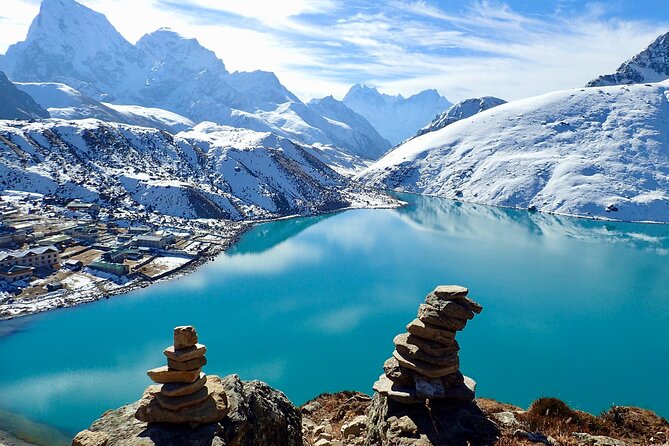
From Lukla, the route follows the Dudh Koshi River through Sherpa settlements and forested hills. You should expect a gradual rise rather than an immediate high-altitude assault, but the walking is still active from the start.
The villages are a large part of the appeal. This is not just a march toward a famous base camp. You pass homes, tea houses, prayer sites, and mountain paths used by local communities. The guide adds value here by explaining local customs and helping with the practical rhythm of walking, eating, and resting.
Namche Bazaar is the major trading center of the Khumbu. It is also where the route begins to feel properly high and mountainous. The town gives you a chance to adjust before the path climbs farther toward Tengboche and Dingboche.
The pace matters. You may feel strong during the early days, but high altitude is not impressed by enthusiasm. Walk steadily, drink regularly, and tell your guide when you feel unwell. The guide’s job is not just to point at peaks. It is also to watch how you are coping.
Guides connected with this operator include Ram, Rupak, Dambar, Naren, and Pemba. Ram receives especially strong praise for patience, flexibility, and checking each person’s condition. That kind of calm leadership is useful when a group includes different ages and walking speeds.
Tengboche and the cultural heart of the route
Tengboche is known for its monastery and its position among some of the region’s best mountain views. The stop adds a spiritual and cultural layer to the trek, balancing the physical goal of reaching Base Camp.
You can expect a quieter setting than Namche, with mountain scenery and a strong connection to Tibetan Buddhist traditions. The schedule does not promise a private ceremony or a particular monastery program, so treat the stop as a chance to observe respectfully rather than as a guaranteed event.
This is also where the route feels more remote. Tea houses remain part of the trip, but comfort is basic. The included lodging is in standard guesthouses, not high-end mountain hotels. Rooms may be simple, and the cost of food rises as supplies must be carried farther uphill.
Meals during the trek are not included. Budget separately for breakfast, lunch, and dinner each day in the mountains. Snacks and drinks are also your responsibility. This is one of the most important details in the price calculation.
More Heli-Hike Trips in Kathmandu:
- Everest Base Camp Trek with Helicopter Return -11 Days
★ 5.0 · 12 reviews - Helicopter Return Everest Base Camp Trek, KTM-LUKLA & Gorakshep-KTM by Heli
★ 5.0 · 9 reviews - Everest Base Camp Trek with Helicopter Return – 10 Days
★ 5.0 · 9 reviews - Everest Base Camp trek with Helicopter return 9 days
★ 5.0 · 8 reviews
Dingboche and the final high-altitude push
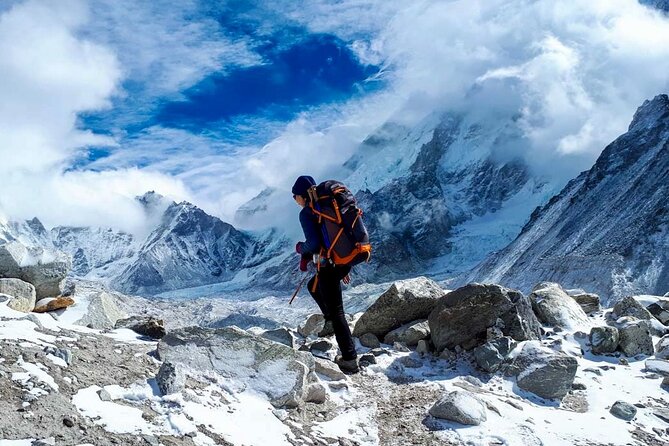
Dingboche is described as the acclimatization point before the highest part of the walk. That pause is valuable because the trail rises sharply from here toward the Base Camp area.
The schedule is only 10 days, so you should not expect an extended acclimatization program. The trip includes time to adjust, but the overall plan remains compact. If you have never walked at high altitude, ask the operator to explain the daily distances, overnight elevations, and contingency plan.
The scenery changes as you climb. Forest gives way to open high mountain terrain, and the air feels thinner. The route becomes less about covering distance quickly and more about conserving energy.
Your guide can help set a sensible pace. Several comments about the guiding team point to patience, encouragement, and flexibility. Those qualities matter more than a fast walking speed. A good guide helps you finish the day with enough strength for the next one.
Everest Base Camp and Kala Patthar
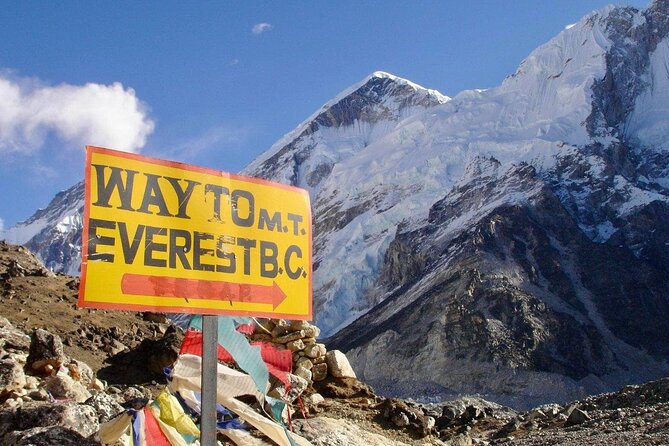
Reaching Everest Base Camp is the emotional center of the trip. You walk into the famous Khumbu setting and see the rough, high-altitude world used by mountaineering teams.
Base Camp itself is not a viewpoint with a simple postcard image of Everest. The surrounding peaks, ice, rock, and glacier environment create the drama. The route is also the reward for several days of hard walking, so give yourself time to appreciate the setting rather than treating it as a quick photograph stop.
Kala Patthar provides the classic sunrise viewpoint. The early start can be cold and tiring, but the position offers a broad view toward Everest and the surrounding Himalayan peaks. The exact visibility depends on weather, of course. Clear skies can produce the trip’s finest photographs, while cloud can hide much of the view.
You should pack layers, protect your hands, and keep your camera or phone warm enough to function. The supplied gear includes a sleeping bag, duffel, map, and T-shirt, but you need to confirm what clothing and technical equipment you must bring yourself.
The Base Camp and Kala Patthar portion is the hardest part of the route for many people. The trek is listed as suitable for those with moderate fitness, but that should not be read as easy. You need to be comfortable walking for several hours on uneven mountain trails and managing cold, altitude, and simple lodging.
The helicopter from Gorakshep to Lukla
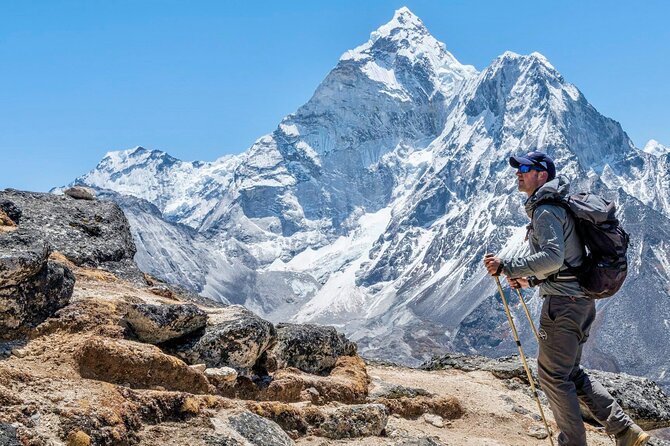
After the high point, the helicopter flight from Gorakshep to Lukla is the signature feature. You see the route from above instead of retracing every bend on foot.
This saves time and reduces the physical burden of the return. It also gives you a different way to understand the Khumbu. Valleys that seemed long and steep while walking become part of a wider mountain system from the air.
The flight depends on suitable weather and operating conditions. If poor weather cancels the activity, the stated policy offers a different date or a full refund. That protection is useful, but it does not remove the need for flexibility during the trek itself.
Clarify the luggage arrangement before departure. A duffel is provided, and luggage support is included in the tour description, but porter service is optional. One porter for two trekkers is recommended, and the porter fee is not included.
That distinction affects comfort. Carrying only a light daypack makes the uphill walking much easier. If you choose not to hire a porter, be ready to manage your own main bag over the full route.
Lodging, meals, guides, and what the $799 price covers
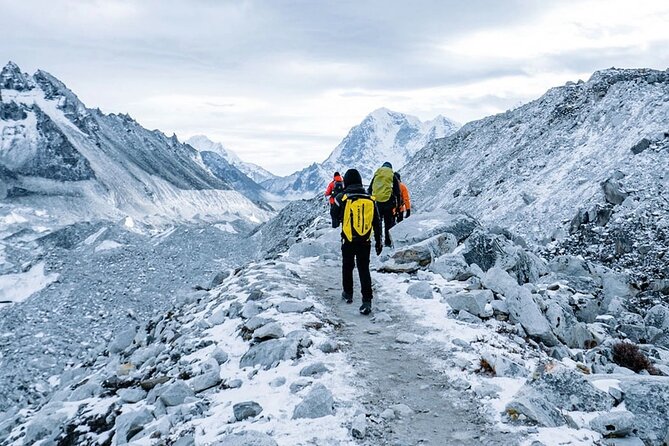
At $799 per person, this package offers a useful bundle for a guided Everest Base Camp trek with a helicopter return. The value comes from the combination of transport, permits, Kathmandu hotel, guide, mountain lodging, helicopter transfer, and farewell dinner.
You are not paying only for walking. The operator handles official permits, arrival and departure transfers, domestic flight arrangements, and the guide. Those details can be tedious to organize independently, particularly when Lukla flights and weather are involved.
The price does not cover everything. Set aside money for:
- All meals during the trek
- Lunch and dinner in Kathmandu
- Nepal visa
- Medical and high-altitude evacuation insurance
- Porter service
- Snacks, drinks, laundry, and tips
- International flights
The lack of included mountain meals is normal for this type of trip, but it means the headline price is not the final cost. Your personal spending will depend on how much you eat and drink, whether you hire a porter, and what insurance policy you buy.
The guide is a strong part of the value. Reports about Ram describe careful attention to fitness, steady encouragement, and help with arrangements in Kathmandu. Rupak is also praised for clear English and keeping group spirits up. You cannot assume a particular guide will lead your departure, but you can ask for the guide’s name and experience before leaving.
Who will enjoy this 10-day Everest trek
I would choose this trip if you want the achievement of walking to Everest Base Camp but do not want to spend several extra days walking back down the same route.
It suits people who:
- Have moderate physical fitness
- Can handle long days on uneven trails
- Want a guided rather than independent trek
- Prefer a small group capped at 15 people
- Like the idea of simple guesthouses instead of camping
- Want a helicopter flight as part of the return
- Appreciate having permits and transfers arranged
I would hesitate if you need a slow, spacious schedule. Ten days leaves less room for delays, rest, or illness than a longer itinerary. I would also think twice if you dislike basic lodging, variable mountain transport, or paying separately for meals.
The trip can work for solo participants, couples, and groups of friends. The guide’s flexibility becomes especially useful when people walk at different speeds. The company has also handled larger mixed-age groups on other Himalayan routes, but this particular experience lists a maximum of 15.
Practical booking advice
Book with weather in mind. The experience requires good conditions, and a poor-weather cancellation can lead to a new date or full refund. Your international flights should allow breathing room around the Lukla transport.
Buy insurance that explicitly covers medical treatment and high-altitude evacuation. Ordinary travel insurance may not cover the altitude involved here, so read the wording carefully.
Ask these questions before confirming:
- Is the Lukla flight from Kathmandu or Manthali for your date?
- What is the expected overnight plan in each village?
- Which meals are included, if any, on the trek?
- How is luggage moved if you do not hire a porter?
- What happens if the helicopter cannot fly from Gorakshep?
- What clothing and personal equipment should you bring?
Free cancellation is available when you cancel at least 24 hours before the start time. Changes or cancellations inside that period are not accepted for a refund, and the cut-off follows local time.
Should you book this Everest Base Camp trek?
I would book it if the helicopter return is a major part of your goal. You get the classic trail through Namche, Tengboche, and Dingboche, the achievement of Base Camp and Kala Patthar, and an exciting flight instead of a long walk back.
The package is also a sensible choice if you want support with permits, airport transfers, guesthouses, and a local guide. Just treat the $799 price as a starting point, not the complete budget, and prepare seriously for altitude.
Choose a longer trek if you want more time to acclimatize or prefer a gentler pace. Choose this one if you want a focused, high-impact Himalayan trip with the return journey shortened from the air.
FAQ
How long is the Everest Base Camp trek with helicopter return?
The experience lasts approximately 10 days.
Where does the experience begin?
It begins at Tribhuvan Airport in Kathmandu, Nepal. The listed start time is 9:00 am.
Is airport pickup included?
Yes. Arrival and departure transfers by private vehicle are included.
Is accommodation in Kathmandu included?
Yes. The package includes a three-star Kathmandu hotel with breakfast.
Where do I stay during the trek?
You stay in standard guesthouses along the route.
Is the helicopter flight included?
Yes. The helicopter flight from Gorakshep to Lukla is included.
Are meals included?
Breakfast is included at the Kathmandu hotel. Lunch and dinner in Kathmandu, plus all meals during the trek, are not included.
Is a porter included?
No. Porter service is optional and costs extra. One porter for two trekkers is recommended.
What permits are included?
The package includes the Sagarmatha National Park permit, TIMS, and Pasang Lhamu entry permit.
Do I need travel insurance?
Yes. You must have insurance covering medical care and high-altitude evacuation.
What happens if bad weather cancels the experience?
If poor weather causes cancellation, you are offered a different date or a full refund.
How many people can join the group?
The maximum group size is 15 people.
Is the trek suitable for all fitness levels?
No. The activity requires a moderate level of physical fitness and includes high-altitude walking.
Newly added flights around Kathmandu
- Guaranteed Landing at Everest Base Camp Kalapathar by Helicopter★ 5.0 · 38 reviews
- Day Tour to Everest Base Camp By Helicopter★ 5.0 · 16 reviews
- Mount Everest Helicopter Tour with Landings★ 5.0 · 2 reviews
- Kathmandu To Lukla By Helicopter Flight★ 5.0 · 6 reviews
- Mount Everest Scenic Helicopter Tour★ 5.0 · 6 reviews
- Everest Base Camp Helicopter Tour with Hotel Everest View Landing★ 5.0 · 52 reviews
- Langtang Helicopter Tour★ 5.0 · 6 reviews
- Everest Helicopter Tour★ 5.0 · 3 reviews
Kathmandu Helicopter Tours, compared.
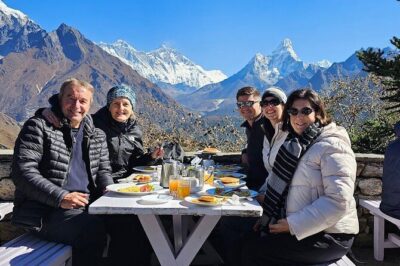
Everest Base Camp Helicopter Tour landing at Everest View Hotel
Read our review →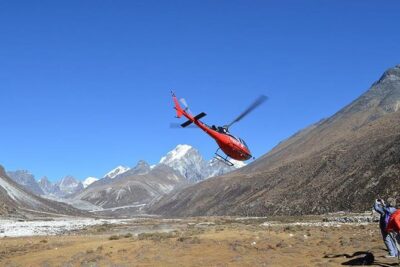
Everest Base Camp Helicopter Tour landing at Hotel Everest View
Read our review →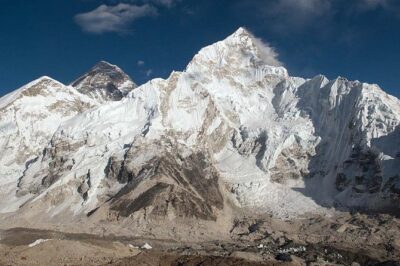
Everest Base Camp Trek with Helicopter Return from Gorakshep to Lukla
Read our review →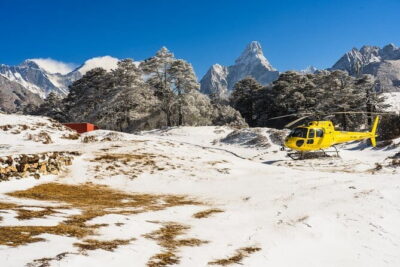
Everest Base Camp helicopter tour with landing
Read our review →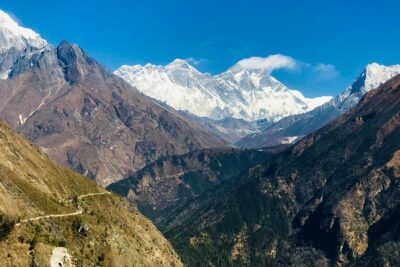
Everest Base Camp Helicopter Tour with Hotel Everest View Landing
Read our review →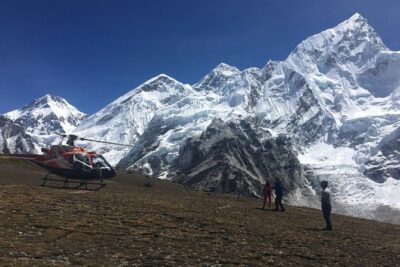
Guaranteed Landing at Everest Base Camp Kalapathar by Helicopter
Read our review →Everest Base Camp Helicopter Tour landing at Everest View Hotel.
Read our review →
Browse the lists this tour appears in