
Review · KATHMANDU HELICOPTER TOURS
Helicopter Return Everest Base Camp Trek, KTM-LUKLA & Gorakshep-KTM by Heli
Everest Base Camp is the headline, but the real reward is the slow approach through Sherpa villages, prayer-flagged bridges, old monasteries, and the high Khumbu valleys. I especially like the built-in rest days at Namche Bazaar and Dingboche, plus the chance to finish the trek with a helicopter flight instead of retracing every step to Lukla.
I also like the practical support from the local team, with Buddhi handling arrangements and guides such as Dipak leading the mountain days. The main caution is the price and package wording: the tour is listed at $9,999, yet separate notes also quote helicopter, porter, food, and transport charges. Get the final cost in writing before you pay.
Key points to know before booking
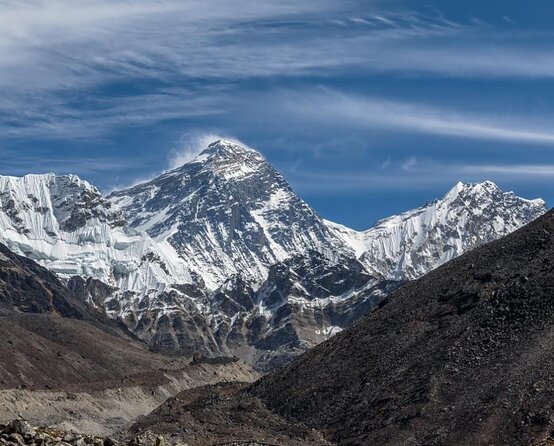
- Kala Patthar reaches 5,545 meters, giving you the highest viewpoint on the route and broad views toward Everest, Nuptse, Pumori, Lhotse, and Changtse.
- Two acclimatization stops matter: you spend a rest day at Namche Bazaar and another at Dingboche before going higher.
- The return is designed to save time and effort, with a helicopter from Gorakshep to Kathmandu rather than a long walk back to Lukla.
- The route passes through classic Khumbu villages, including Phakding, Monjo, Jorsale, Tengboche, Dingboche, Lobuche, and Gorakshep.
- The group limit is 15 people, small enough for a more personal trekking arrangement but not a private trip.
- The quoted price needs clarification, since separate figures list shared helicopter flights, porters, meals, and private helicopter options.
The route begins with Lukla, not the mountains
Your trip starts in Kathmandu at 1,350 meters, where the air is mild and the city gives you a final taste of Nepalese life before the high country. The early start is important: the meeting time is listed as 5:45 a.m., and the flight to Lukla takes about 35 minutes.
Lukla sits at 2,828 meters, so you begin gaining altitude almost at once. The short flight is part of the experience, but it also makes weather a serious factor. If poor conditions affect the helicopter or flight schedule, the operator says you can move to another date or receive a full refund when the experience is canceled for weather.
From Lukla, you walk for three to four hours to Phakding at 2,780 meters. This first stretch is a good introduction to the pace of the trek. You pass through villages such as Nurning and Benkar, follow the Dudh Koshi River, and begin seeing prayer wheels, chortens, suspension bridges, and prayer flags.
Phakding is not a dramatic high-altitude camp, and that is useful. You are easing into the trip rather than charging uphill on the first day. Tea-house lodging is included, but lunch and dinner are paid locally, so keep Nepalese rupees available.
More Himalaya Helicopter Tours in Kathmandu:
- Everest Base Camp Helicopter Tour landing at Everest View Hotel
★ 5.0 · 668 reviews - Everest Base Camp Helicopter Tour landing at Hotel Everest View
★ 5.0 · 218 reviews - Everest Base Camp Trek with Helicopter Return from Gorakshep to Lukla
★ 5.0 · 161 reviews
Namche Bazaar adds culture and a needed rest day
The walk from Phakding to Namche Bazaar takes about five to six hours. Along the way, you pass Monjo and Jorsale and enter Sagarmatha National Park. The trail follows the Dudh Koshi, crosses suspension bridges, and climbs toward Namche.
Namche Bazaar sits at 3,440 meters and feels much more like a small mountain town than a trail camp. The route description highlights shops, food, views, local culture, and the town’s role as a traditional trading center. That combination makes Namche one of the most enjoyable stops, not just a place to sleep.
The rest day here is one of the itinerary’s strongest features. You should not treat it as wasted time. It gives your body a chance to adjust before the route moves above 4,000 meters, and it lets you see more of the town without carrying your full walking schedule.
The route also gives you a taste of the region’s Sherpa culture through monasteries, prayer wheels, and daily village life. I like that the trip is not reduced to a race toward Base Camp. You have time to notice the small religious details along the trail, from turning prayer wheels to passing chortens and strings of flags.
Tengboche brings monasteries and mountain views
The walk from Namche to Tengboche takes four to five hours and rises to 3,850 meters. This is a scenic section, but it is not effortless. You are gaining height, and the trail’s ups and downs can feel more demanding than the distance suggests.
Tengboche is best known for its monastery and its setting among the mountains. The itinerary places the monastery in the wider cultural story of the Khumbu, alongside Dingboche and the other villages farther up the trail. You should make time here to look beyond the walking schedule. The monastery, chortens, and prayer flags help explain why this route matters to the people who live here, not just to mountaineers.
Tea-house nights are simple. You should expect basic mountain accommodation rather than hotel comfort, especially as you climb. A warm fleece, puffy jacket, down jacket, and sleeping bag are not luxury extras on this route. The packing list specifically warns that temperatures in the tea houses can fall below freezing.
Dingboche is where altitude becomes serious
The trail from Tengboche to Dingboche takes four to five hours and reaches 4,350 meters. This is a major change from the lower villages. You are now walking in a high-altitude environment, and the rest day that follows becomes essential.
Dingboche is another place where the schedule shows good judgment. The day off gives you time to rest before Lobuche and Gorakshep. It also prevents the itinerary from becoming a string of long walking days with no room for adjustment.
You should use this day sensibly. Keep your pace easy, drink water, and pay attention to how you feel. The supplied information does not promise medical support or describe a detailed altitude protocol, so ask the operator what happens if you develop altitude symptoms or need to change the schedule.
This is also the point where your clothing system matters most. Pack warm layers that you can add or remove, waterproof outerwear, gloves, a wool hat, sunglasses, and several pairs of good socks. Non-cotton underwear and trekking shirts will be more practical than ordinary travel clothes.
More Heli-Hike Trips in Kathmandu:
- Everest Base Camp Trek with Helicopter Return to Lukla – 10 Days
★ 5.0 · 34 reviews - Everest Base Camp Trek with Helicopter Return -11 Days
★ 5.0 · 12 reviews - Everest Base Camp Trek with Helicopter Return – 10 Days
★ 5.0 · 9 reviews - Everest Base Camp trek with Helicopter return 9 days
★ 5.0 · 8 reviews
Lobuche and Gorakshep lead to the main goal
From Dingboche, the route continues to Lobuche at 4,910 meters. The walk takes four to five hours. The scenery becomes increasingly stark as you leave the lower villages behind, but the itinerary gives you no shortcut here. You need to be comfortable walking for several hours at altitude.
The next day is the key approach: three to four hours to Gorakshep at 5,180 meters, followed by another two to three hours to Everest Base Camp at 5,364 meters. Reaching Base Camp is a major achievement, but it is worth understanding what the stop means. This is the expedition base for climbers, not the summit of Everest and not a permanent village.
The route around Gorakshep also brings you close to the Khumbu Glacier, glacial rivers, avalanche paths, and the famed Khumbu Icefall. These features give the trek its mountaineering character. You are not simply walking to a sign or taking a photograph. You are moving through the approach used for one of the world’s most famous climbing routes.
At this altitude, the schedule can feel demanding even if the mileage looks modest. Cold, thin air and uneven ground change the effort required. Your guide’s role becomes particularly important here. Dipak is named as one of the guides associated with the trek, and his work includes keeping the walking days organized and helping you manage the route.
Kala Patthar is the visual high point
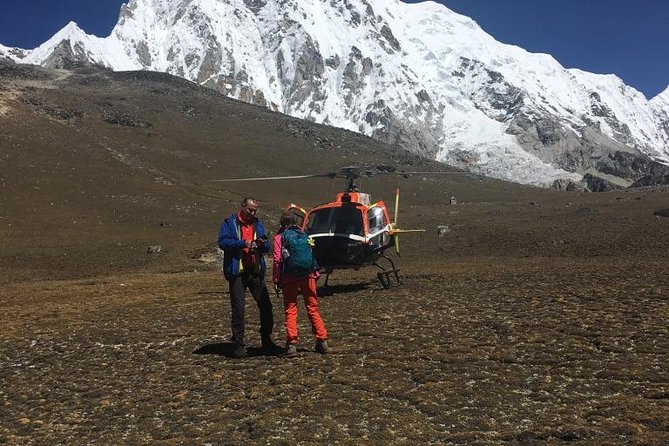
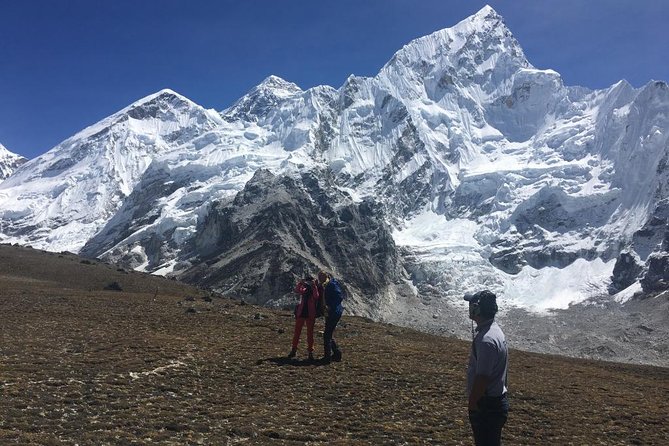
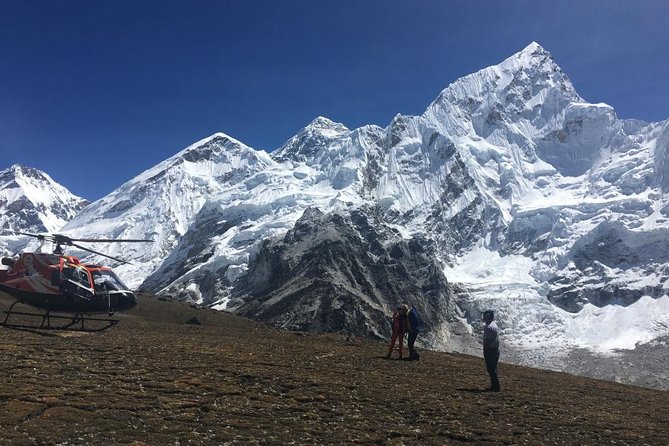
The climb to Kala Patthar begins from Gorakshep and takes two to three hours. At 5,545 meters, this is the highest point listed on the route, higher than Everest Base Camp itself.
The reward is the view. From Kala Patthar, you can see Everest, Nuptse, Pumori, Lhotse, and Changtse, along with the Khumbu Glacier and the surrounding ice and avalanche routes. If you want the clearest mountain perspective on the trip, this is the place to focus your energy.
The descent to Pheriche takes another five to six hours, making this a long day. You should not mistake the downhill direction for an easy finish. After the early climb, the extended walk to Pheriche will test tired legs.
The itinerary then takes you from Pheriche back to Namche Bazaar in four to five hours, followed by the five to six-hour walk to Lukla. This return section lets you see the Sherpa villages again from a different angle, but it also explains why the helicopter return is valuable. Walking all the way back to Lukla adds several more days and repeats much of the route.
What the helicopter return changes
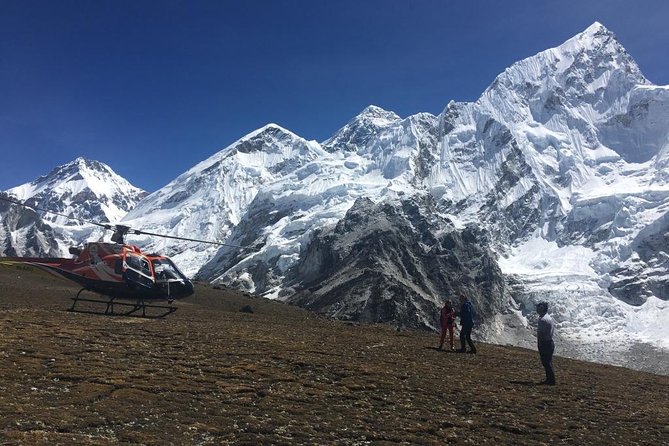
The title presents a helicopter return from Gorakshep to Kathmandu. The separate cost notes list a shared Gorakshep to Kathmandu helicopter at $999 per person during October, November, March, April, and May. A private helicopter is listed at $3,600 per helicopter from Gorakshep to Kathmandu.
There is also a separate figure of $400 per person for a shared Kathmandu to Lukla helicopter during those same months, plus a private Kathmandu to Lukla option at $2,000. Yet the main inclusion list says helicopter flights are not included, while the product title suggests they are part of the experience.
That is the biggest practical issue to settle. Ask for a written breakdown covering the Kathmandu to Lukla flight, the Gorakshep to Kathmandu flight, airport transfers, meals, porter charges, and any domestic flight costs. Do not assume the $9,999 price covers every item simply because the title says helicopter return.
If the flights are included, the price buys a shorter and more unusual version of the Everest Base Camp route. If they are extra, the total can change quickly. A porter is listed at $30 per day, paid directly at Lukla, while lunch and dinner are also paid locally.
The guides and group size matter
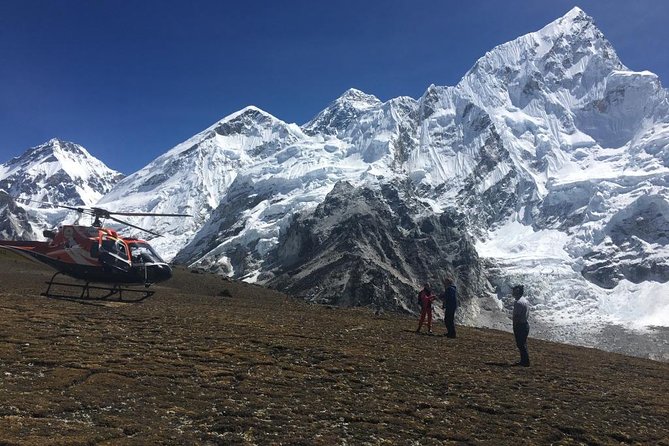
The operator names Buddhi as the person who helps organize the trip and Dipak as a mountain guide. The supplied experiences also identify porters Carmen and Desantis in one group, though porter assignments can vary.
This kind of local support is useful because the route involves flights, permits, tea houses, altitude changes, and possible weather disruption. A guide who keeps the day organized can make the difference between a calm trek and a confusing one, especially when Lukla flights do not run as planned.
The maximum group size is 15 people. That is not a private trek, but it is still small enough for the guide to keep track of the group more easily than on a large commercial departure. If you want a private arrangement, ask about the separate private helicopter prices and whether the walking portion can also be arranged privately.
What is included, and what you still pay for
Tea-house accommodation in the mountains, a trekking guide, entry permits, trekking permits, and nine breakfasts are listed as included. The operator also provides one complimentary trekking-planner duffel bag, which must be returned after the trip, and can provide a four-season sleeping bag if needed.
You should budget separately for lunch and dinner. Private transportation is not included, and the porter fee is paid directly. The supplied schedule also lists a longer 14-day version, from arrival in Kathmandu through final departure, while the headline describes the activity as approximately nine days.
That mismatch may reflect a shortened helicopter-return plan, but it is not explained clearly. Ask whether your booking follows the full 14-day walking itinerary, the shorter nine-day helicopter version, or a custom combination.
Who should book this Everest trip?
I would consider this trip if you want the classic Base Camp route but do not want to walk back to Lukla. The helicopter return cuts out the return trek and gives you a memorable flight from the high mountains, provided weather and aircraft availability cooperate.
It suits people who can handle several four-to-six-hour walking days at altitude and who are willing to pack for freezing tea-house nights. The information says most people can participate, but that should not be mistaken for an easy holiday. The highest walking point is 5,545 meters, and the route includes long days above 4,000 meters.
You should also enjoy simple accommodation and a group routine. This is a cultural and mountain journey, not a luxury hotel trip. You will see monasteries, prayer flags, trading villages, suspension bridges, and Sherpa communities, but comfort becomes more limited as the route climbs.
Should you book it?
Book this trip if the helicopter return is your priority, you value built-in acclimatization days, and you want local guidance through the full Everest Base Camp route. The combination of Namche, Tengboche, Dingboche, Base Camp, and Kala Patthar gives you the major sights without forcing you to retrace the entire trail on foot.
Before booking, get three things confirmed in writing: the exact number of days, the flights included in the $9,999 price, and all extra charges for meals, porters, transfers, and weather-related changes. If those details are clear, this can be a well-supported way to reach Everest Base Camp and return from the high country by air. If they remain vague, the price is too high to accept on trust alone.
Free cancellation is available if you cancel at least 24 hours before the start time. Changes or cancellations inside that window are not accepted for a refund, and weather cancellations should result in another date or a full refund.
FAQ
How long is the Everest Base Camp experience?
The headline duration is approximately nine days, but the detailed schedule lists 14 days from arrival in Kathmandu to final departure. Ask the operator which version applies to your booking.
What is the highest point on the route?
Kala Patthar is the highest listed point at 5,545 meters, or 18,193 feet. Everest Base Camp is listed at 5,364 meters.
Are helicopter flights included in the price?
The title describes a helicopter return, but the cost notes list separate shared helicopter prices for Kathmandu to Lukla and Gorakshep to Kathmandu. Confirm the exact inclusions before booking.
What accommodation is provided?
Tea-house accommodation in the mountains is included. A complimentary trekking-planner duffel bag is provided for the trip and must be returned afterward.
Are meals included?
Nine breakfasts are listed as included. Lunch and dinner are paid locally.
How many people can join the tour?
The maximum group size is 15 people. A porter is available for $30 per day, paid directly at Lukla.
Newly added flights around Kathmandu
- Guaranteed Landing at Everest Base Camp Kalapathar by Helicopter★ 5.0 · 38 reviews
- Day Tour to Everest Base Camp By Helicopter★ 5.0 · 16 reviews
- Mount Everest Helicopter Tour with Landings★ 5.0 · 2 reviews
- Kathmandu To Lukla By Helicopter Flight★ 5.0 · 6 reviews
- Mount Everest Scenic Helicopter Tour★ 5.0 · 6 reviews
- Everest Helicopter Tour★ 5.0 · 3 reviews
- Everest Base Camp Helicopter Tour with Hotel Everest View Landing★ 5.0 · 52 reviews
- Langtang Helicopter Tour★ 5.0 · 6 reviews
Kathmandu Helicopter Tours, compared.
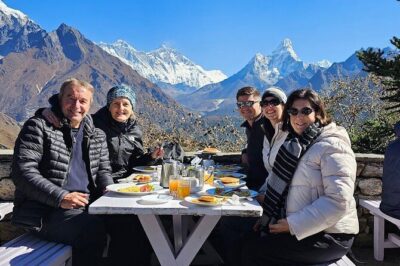
Everest Base Camp Helicopter Tour landing at Everest View Hotel
Read our review →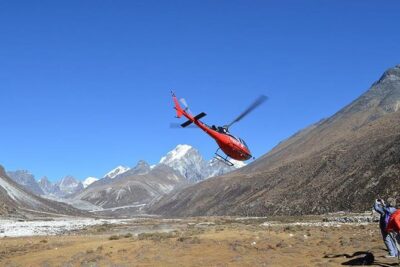
Everest Base Camp Helicopter Tour landing at Hotel Everest View
Read our review →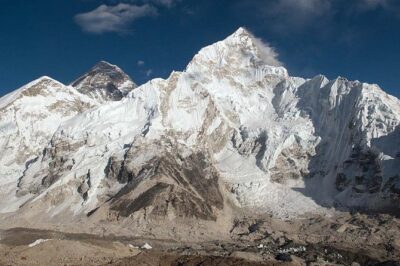
Everest Base Camp Trek with Helicopter Return from Gorakshep to Lukla
Read our review →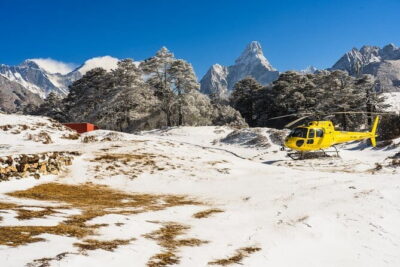
Everest Base Camp helicopter tour with landing
Read our review →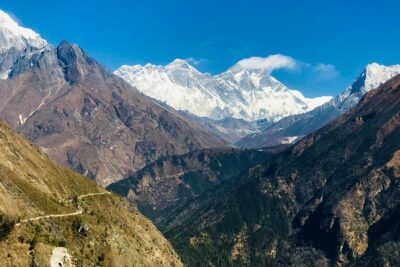
Everest Base Camp Helicopter Tour with Hotel Everest View Landing
Read our review →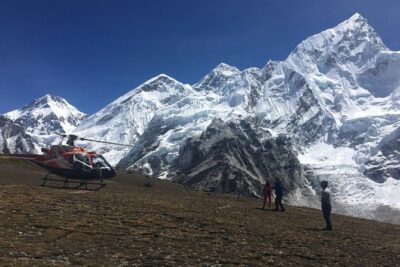
Guaranteed Landing at Everest Base Camp Kalapathar by Helicopter
Read our review →Everest Base Camp Helicopter Tour landing at Everest View Hotel.
Read our review →
Everest Base Camp Trek with Helicopter Return to Lukla – 10 Days
Read our review →Browse the lists this tour appears in