
Review · KATHMANDU HELICOPTER TOURS
Everest Base Camp Trek | Deluxe Lodges | Both Way Helicopter Ride
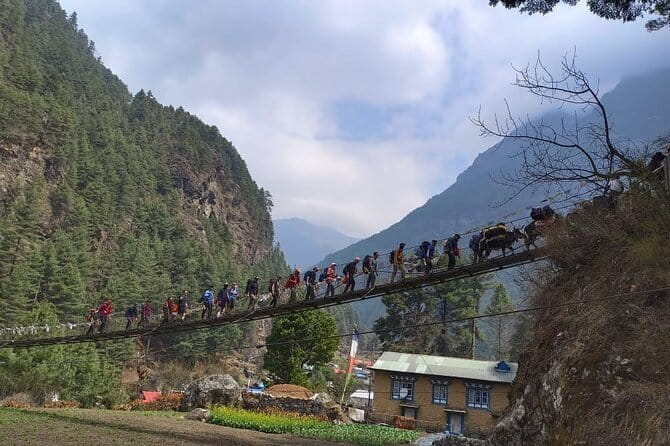
The biggest draw here is simple: you walk to Everest Base Camp but save time with shared helicopter flights at the start and finish. In 10 days, you move through Sherpa villages, cross suspension bridges, sleep in Namche and Dingboche, reach Gorakshep, and climb Kala Patthar for sunrise.
I like the two planned acclimatization days, especially the hike to the Everest View Hotel above Namche. I also like the practical package: permits, meals, porters, warm sleeping bags, airport transfers, and emergency coordination are bundled together. The main caution is the pace. Altitude is serious, and a 10-day schedule gives you less spare time than a longer classic trek.
Key points to know before booking
- Shared helicopter flights save time: You fly from Kathmandu to Lukla, then from the Everest Base Camp area toward Lukla, with the return to Kathmandu included.
- Two acclimatization days are built in: You hike high and sleep lower at Namche and Dingboche rather than simply racing uphill.
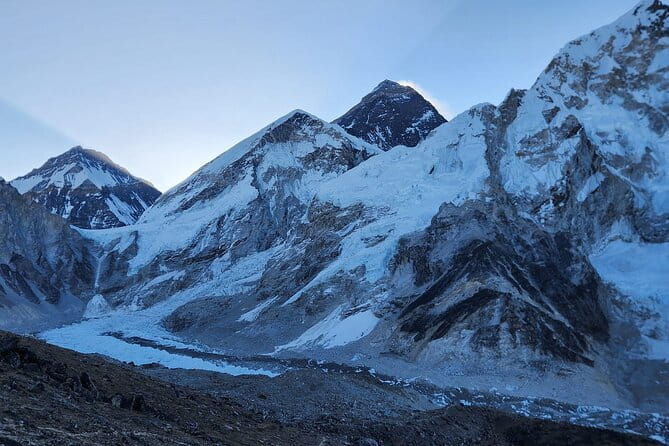
- The route includes Kala Patthar: The sunrise climb gives you one of the finest views of Everest and the surrounding peaks.
- The package covers the working details: Permits, guide, porter support, meals, lodging, sleeping bags, down jackets, and airport transfers are included.
- Accommodation is twin-share: The package calls these deluxe lodges, but the fine print says the best available lodge at each stop, shared with another person.
- A strong fitness level is required: The schedule includes steep climbs, high altitude, and long trekking days.
What this Everest Base Camp package gets right
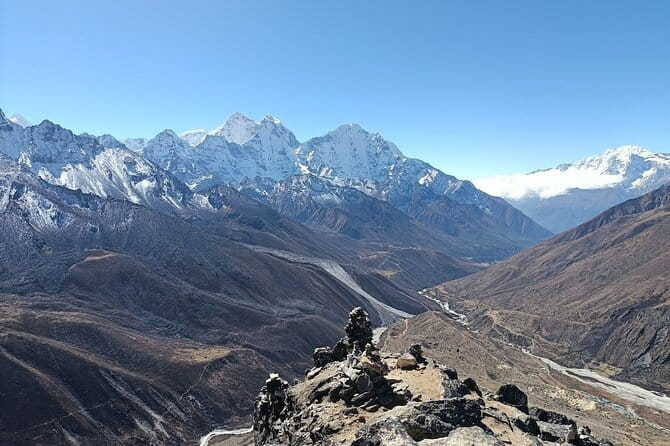
This is a short Everest Base Camp trek for people who want the main route without spending two or more weeks on the trail. The helicopter flights are the reason the schedule works. You do not walk from Kathmandu, of course, but you still get the important foot journey from Lukla through the Khumbu region to Base Camp.
The price is $3,332 per person. That is not a budget trek, but the package includes a lot: a shared helicopter from Kathmandu to Lukla, a shared helicopter from the Everest Base Camp area toward Lukla, private airport transport, two Kathmandu hotel nights, trek lodges, eight lunches, eight dinners, ten breakfasts, permits, a guide, porter support, warm gear, and staff insurance.
I see real value here if you have limited holiday time. Helicopter flights in the Everest region can cost a large share of a trip on their own, and this plan avoids the long return walk from Gorakshep. You are paying for speed, logistics, and a guided route, not just a bed and a flight.
The tradeoff is less flexibility. At high altitude, a spare day can matter. Weather may also affect helicopter operations, and the supplied schedule uses shared flights. You should ask how weather delays, extra nights, or a missed connection would be handled before paying.
More Himalaya Helicopter Tours in Kathmandu:
- Everest Base Camp Helicopter Tour landing at Everest View Hotel
★ 5.0 · 668 reviews - Everest Base Camp Helicopter Tour landing at Hotel Everest View
★ 5.0 · 218 reviews - Everest Base Camp Trek with Helicopter Return from Gorakshep to Lukla
★ 5.0 · 161 reviews
Kathmandu arrival and the flight to Lukla
Your trip begins with pickup at Tribhuvan International Airport. A representative from Life Himalaya Trekking takes you to a three-star hotel in Kathmandu, where you have time to rest and prepare. One night before the trek and one night after it are included, with breakfast.
The next morning starts early. You are taken to the airport for the helicopter flight to Tenzing-Hillary Airport in Lukla. The flight is described as taking about 45 minutes, with views toward Everest and Kanchenjunga. Helicopter travel gives you a dramatic start and avoids the usual fixed-wing flight arrangement.
At Lukla, the mountains stop being something you watch through a window. You begin walking almost at once. The first day on foot is gentle by Everest standards, with a route beside the river toward Phakding. That shorter opening walk gives you a little time to adjust before the harder climbing begins.
The schedule lists a long overall stop at Phakding, but the useful point is that the first trekking day is intentionally moderate. Do not treat it as wasted time. In a 10-day high-altitude trip, an easier first walking day is sensible.
Phakding to Namche Bazaar by river and bridge
The route from Phakding follows the Dudh Koshi River through pine forest and small villages. You cross the famous Hillary Bridge area and pass Benkar before reaching Monjo and the entrance area for Sagarmatha National Park.
This section has the classic Khumbu feel: narrow trails, mountain streams, suspension bridges, and Sherpa settlements. The trail then turns toward the confluence of the Dudh Koshi and Bhote Koshi rivers. The final approach to Namche includes a steep ascent, and this is where you begin to feel the physical cost of the route.
Namche Bazaar sits at about 3,440 meters. It is more than a place to sleep. You can find restaurants, shops, massage centers, and spa services, along with the practical chance to rest and check your equipment. The first glimpse of Everest appears beyond the Lhotse and Nuptse range, though the view changes with weather and your exact position on the trail.
I like that the plan does not rush straight through Namche. This town is a natural place to pause. You can eat, sleep, and let your body begin adjusting before the trail climbs higher.
Namche acclimatization and the Everest View Hotel
The first planned acclimatization day uses the right basic idea: climb higher during the day and sleep lower at night. You hike toward Syangboche, near Khumila Peak, and visit the Everest View Hotel at about 3,880 meters.
The hotel is a popular viewpoint rather than a major sightseeing attraction. The point is the view. From here, you may see Everest, Ama Dablam, Lhotse, and nearby peaks. A coffee with that outlook can be one of the most pleasant pauses of the trek, though the drink and any hotel purchase are not included.
You then return to Namche for more rest and free time. This day is valuable because it adds elevation without forcing you to sleep at the higher point. I would use it to organize your bag, drink water, inspect your boots, and keep the day easy. The plan allows several hours around Namche, so you do not need to turn the acclimatization walk into a race.
More Heli-Hike Trips in Kathmandu:
- Everest Base Camp Trek with Helicopter Return to Lukla – 10 Days
★ 5.0 · 34 reviews - Everest Base Camp Trek with Helicopter Return -11 Days
★ 5.0 · 12 reviews - Helicopter Return Everest Base Camp Trek, KTM-LUKLA & Gorakshep-KTM by Heli
★ 5.0 · 9 reviews - Everest Base Camp Trek with Helicopter Return – 10 Days
★ 5.0 · 9 reviews
Tengboche and the move into higher country
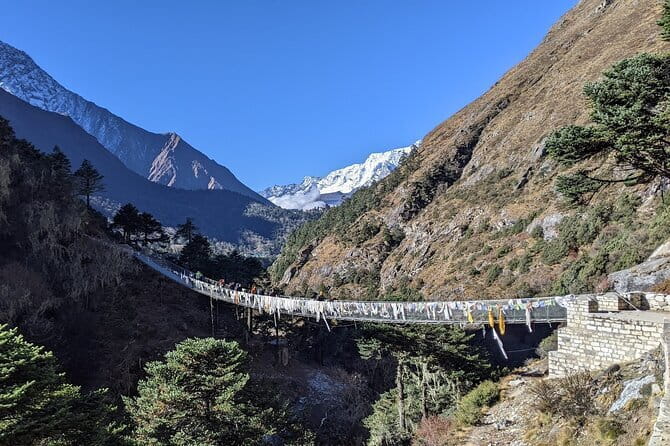
From Namche, the trail continues through the Dudh Koshi area before turning toward the Imja Khola Valley. You cross another suspension bridge and walk toward Tengboche Gompa, one of the important cultural stops on the route.
Tengboche is known for its monastery setting and mountain views. The stop is included in the walking plan, and the route combines scenery with a clear sense of moving deeper into the Khumbu. Ama Dablam becomes an especially memorable presence as you continue higher.
This day takes about five hours according to the schedule. That sounds manageable, but altitude changes the meaning of five hours. Uphill sections feel slower, and you should keep your own pace rather than trying to match the strongest person in the group.
Pangboche, Ama Dablam, and Dingboche
The next walking day takes you through the Pangboche area. The Pangboche Buddhist monastery is listed as a stop, and the route gives you repeated views of Ama Dablam and the surrounding peaks.
Pangboche is an important transition point. The villages become more spread out, the air feels thinner, and the trail has less shelter from the high country. You are still walking through lived-in communities, not an empty wilderness. That is part of the appeal of this route: monasteries, lodges, bridges, and village paths remain part of the journey.
Dingboche is the second acclimatization base. The plan again follows the useful high-and-low method. You climb toward a higher viewpoint and return to sleep at Dingboche, gaining altitude without immediately spending the night at the highest point.
This is one of the best design choices in the trip. From Dingboche onward, the elevation becomes a real concern. A planned rest day is not a luxury. It is part of your safety plan.
Dingboche to Lobuche and the memorials at Thukla
After acclimatization, you continue toward Lobuche. The day is described as relatively light in distance, but you still gain substantial elevation. The route follows slopes toward the wide valley near Dughla and then passes the memorial area at Thukla.
The memorials honor climbers and high-altitude workers who died in the Everest region. This is a quiet, serious section of the trek. The mountains look magnificent, but the memorials remind you that the route is not merely a scenic walk.
The schedule gives a long possible duration for this day, so you should treat the timing as approximate. Walking speed, rest stops, weather, and altitude all affect the day. Keep snacks and water easy to reach, and do not count on moving at the same speed you would at home.
Lobuche is one of the higher overnight stops. You will likely notice the cold and thinner air more clearly here. The included sleeping bag rated to minus 20 degrees Celsius and warm down jacket are useful provisions, though you still need suitable personal layers.
Gorakshep and Everest Base Camp
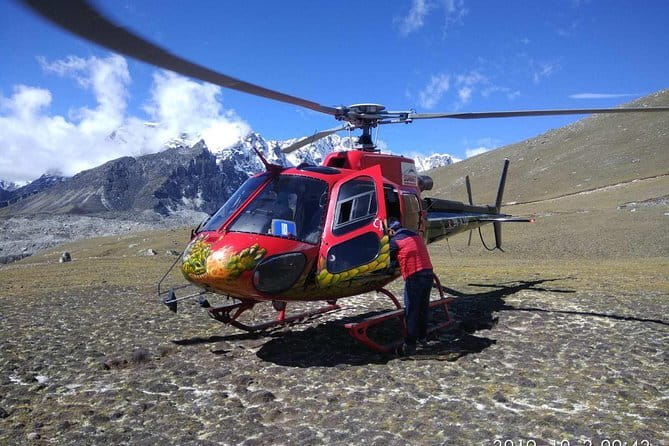
The most important walking day leads from Lobuche across glacier terrain toward Gorakshep. The route takes about four hours to reach Gorakshep in the supplied plan, then continues toward Everest Base Camp.
Gorakshep is the last overnight settlement on this route. You leave larger village comforts behind and walk across rougher ground toward Base Camp. The final approach is not a casual stroll. Loose rock, uneven trail, altitude, and fatigue all add up.
At Everest Base Camp, you reach the symbolic goal of the trek. You may see expedition equipment during climbing season, but the exact appearance of Base Camp changes through the year. You should not expect to stand at the summit route itself. Base Camp is the staging area below Everest, and the nearby Khumbu Glacier gives the place its harsh, powerful character.
The package includes the Sagarmatha National Park permit and the Pasang Lhamu Rural Municipality permit, so those required local charges are handled. Your guide also carries first-aid supplies and an oximeter. That does not replace medical insurance, but it is a useful part of the support plan.
Kala Patthar sunrise and the helicopter return
The following morning begins before sunrise with a climb toward Kala Patthar. This is often the visual high point of the trip. From the ridge, you can look toward Everest and the surrounding peaks as the first light reaches the mountain faces.
The climb takes about five hours in the schedule, including the early start and return. It is steep, cold, and tiring, but the reward is a wide mountain panorama. If the weather is clear, this may be your best view of Everest during the entire trip.
After Kala Patthar, the plan uses a shared helicopter from the Everest Base Camp area, listed as Gorakshep, toward Lukla. The package also includes a helicopter from Lukla to Kathmandu, so the air return avoids the long trek back through Namche and Lukla.
This is the main reason to choose this package over a standard round-trip walking route. You spend your limited time on the most memorable section, then leave the high route by air. The drawback is dependence on flight conditions and shared helicopter scheduling. Ask the operator how the sequence works if the helicopter cannot fly on the planned day.
Lodges, meals, guides, and porter support
The package provides twin-share accommodation in the best available lodge at each trekking stop. It is described as deluxe lodge accommodation, but you should read that as comfortable by Everest trekking standards, not as a city hotel. The exact standard can vary from village to village.
One porter is assigned for every two people. Your permitted luggage is 10 kilograms for a large bag and 5 kilograms for a handbag. Pack carefully, since you will not have unlimited access to your full luggage each day.
The package includes breakfast for all 10 days, plus eight lunches and eight dinners. Meals in Kathmandu are not included except for breakfast, and drinks, snacks, and beverages are extra. I would budget separately for those purchases.
A government-licensed trekking guide leads the group, and the company supplies guide and porter salaries, food, transportation, equipment, and accidental insurance for staff. Guide assignments can vary, but the company has used guides named Tika, Pramod, and Rabin on similar Everest trips. Shiba has also handled communication for some departures.
The personal touch is important on a trek like this. Direct accounts of the service describe guides adjusting the pace and helping with safety decisions. Still, you should ask who will lead your departure and how many people will be in your private group.
What the $3,332 price really buys
At $3,332, this is a premium time-saving trek rather than a low-cost walking holiday. The price includes expensive transport, but you should confirm whether the quoted amount is based on the current helicopter sharing arrangement and what happens if additional flights or nights become necessary.
Included costs cover:
- Shared helicopter flights between Kathmandu, Lukla, and the Everest region
- Private airport transfers
- Two Kathmandu hotel nights with breakfast
- Twin-share trekking lodges
- Guide and porter services
- Permits and government taxes
- Breakfast, lunch, and dinner during the trek
- A down jacket and minus 20 degree sleeping bag
- Duffel bag, map, T-shirt, and first-aid supplies
- Emergency and rescue coordination
- Farewell dinner and achievement certificate
You still need international airfare, Nepal entry visa fees, travel insurance with rescue and evacuation coverage up to 5,500 meters, Kathmandu lunches and dinners, drinks, snacks, and anything not listed.
The insurance requirement deserves special attention. Standard travel insurance may not cover trekking at this altitude or helicopter evacuation. Buy a policy that clearly covers both.
Who should book this trek?
I would choose this trip if you have a tight schedule, want to walk the core Everest Base Camp route, and value organized support over independent travel. It suits fit hikers who can manage repeated uphill days and accept basic high-altitude lodge conditions.
I would hesitate if you want a relaxed pace, private rooms, complete weather flexibility, or a large safety margin for acclimatization. A longer trek may be wiser for anyone worried about altitude or new to strenuous mountain walking.
The private-group format is useful. Only your group participates, so the guide can adjust the pace to your needs. The company also offers customization, which is worth discussing if you need more acclimatization time or a different walking schedule.
Free cancellation is available up to 24 hours before the experience begins. After that point, the payment is not refunded, and changes are not accepted within 24 hours.
My verdict on this Everest Base Camp trek
Book it if the helicopter access and return solve a real time problem for you. You get the essential Everest route, two acclimatization days, a sunrise attempt at Kala Patthar, organized meals and permits, and support from a local trekking team.
Do not book it simply because the 10-day figure looks easy. The route is short in calendar days, not in effort. Go only if you are prepared for altitude, cold, long uphill walks, shared rooms, and possible flight changes.
For the right person, this is a focused way to reach Everest Base Camp without spending weeks on the round trip. I like its practical structure and strong support package. I would just confirm the helicopter contingency plan, exact lodge standard, group size, and guide name before making the final payment.
FAQ
How long is the Everest Base Camp trek?
The planned duration is 10 days, including arrival, trekking, acclimatization, Kala Patthar, and helicopter travel.
Are helicopter flights included?
Yes. The package includes a shared helicopter from Kathmandu to Lukla, a shared helicopter from the Everest Base Camp area, listed as Gorakshep, toward Lukla, and a helicopter from Lukla to Kathmandu.
Is airport pickup included?
Yes. Private transportation for airport pickup and drop-off is included. The starting point is Life Himalaya Trekking at Narsingh Chowk Marg in Kathmandu.
What accommodation is provided?
You receive two nights in a three-star hotel in Kathmandu with breakfast. During the trek, accommodation is twin-share in the best available lodges.
Are meals included?
Breakfast is included for all 10 days. The package also includes eight lunches and eight dinners during the trek. Food in Kathmandu, beverages, and snacks are not included.
Is a guide included?
Yes. An experienced, government-licensed trekking guide is included. Guide assignments may vary, with Tika, Pramod, and Rabin among the guides associated with similar departures.
What luggage allowance is provided?
The stated allowance is 10 kilograms for a large bag and 5 kilograms for a handbag. A trekking duffel bag is also provided and must be returned after the trip.
Do I need travel insurance?
Yes. Travel insurance covering trekking up to 5,500 meters, rescue, and evacuation is not included but is required for this type of trip. International airfare and Nepal entry visa fees are also separate.
Newly added flights around Kathmandu
- Guaranteed Landing at Everest Base Camp Kalapathar by Helicopter★ 5.0 · 38 reviews
- Day Tour to Everest Base Camp By Helicopter★ 5.0 · 16 reviews
- Mount Everest Helicopter Tour with Landings★ 5.0 · 2 reviews
- Kathmandu To Lukla By Helicopter Flight★ 5.0 · 6 reviews
- Mount Everest Scenic Helicopter Tour★ 5.0 · 6 reviews
- Everest Base Camp Helicopter Tour with Hotel Everest View Landing★ 5.0 · 52 reviews
- Langtang Helicopter Tour★ 5.0 · 6 reviews
- Everest Helicopter Tour★ 5.0 · 3 reviews
Kathmandu Helicopter Tours, compared.
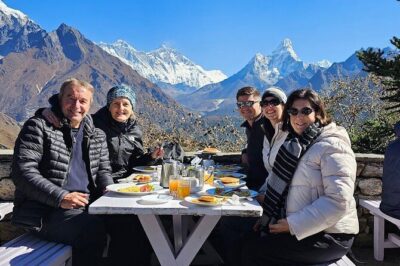
Everest Base Camp Helicopter Tour landing at Everest View Hotel
Read our review →
Everest Base Camp Helicopter Tour landing at Hotel Everest View
Read our review →
Everest Base Camp Trek with Helicopter Return from Gorakshep to Lukla
Read our review →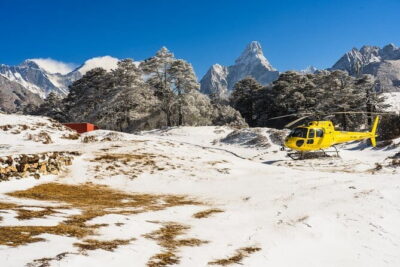
Everest Base Camp helicopter tour with landing
Read our review →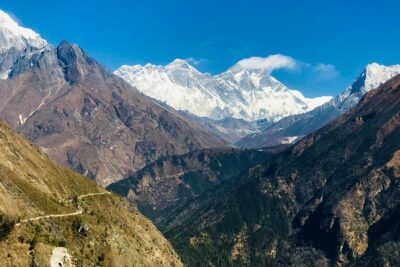
Everest Base Camp Helicopter Tour with Hotel Everest View Landing
Read our review →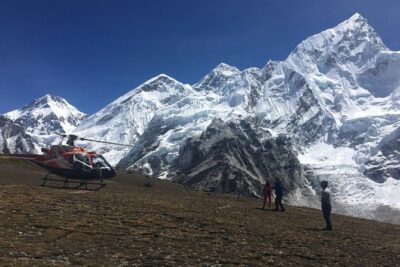
Guaranteed Landing at Everest Base Camp Kalapathar by Helicopter
Read our review →Everest Base Camp Helicopter Tour landing at Everest View Hotel.
Read our review →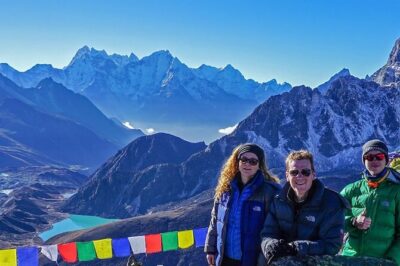
Everest Base Camp Trek with Helicopter Return to Lukla – 10 Days
Read our review →Browse the lists this tour appears in