Review · MOUNT COOK HELICOPTER TOURS
The Adventurer: Tasman Glacier Heli-hike
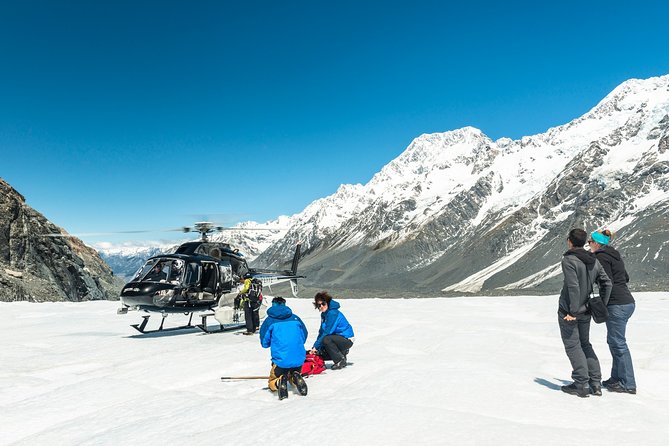
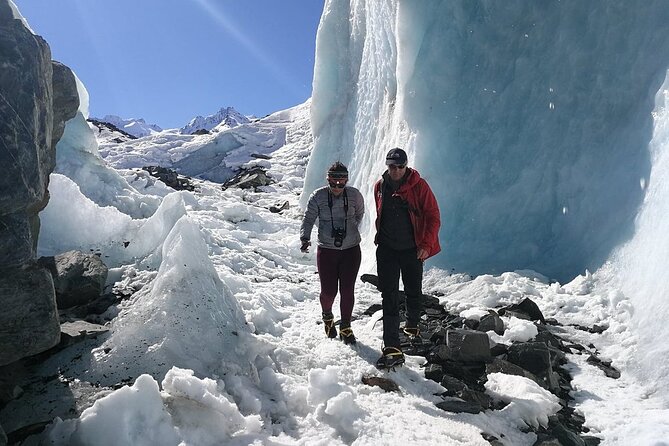
A helicopter carries you onto Tasman Glacier, where a guide cuts steps through the ice and leads you across snow fields, tunnels, caves, and blue-white formations. You are not simply looking at Aoraki/Mount Cook from a lookout. You are walking on the glacier beneath it, at about 4,265 feet.
I like the two scenic helicopter flights and the fact that proper boots, wool socks, outerwear, crampons, and poles are supplied. I also like the small maximum group of 11, which gives guides such as Flav, Hunter, Richard, Fiona, and Pawel room to focus on safety and show you interesting details.
The catch is the price, $572.23 per person, and the weather can cancel or delay the experience. You must arrive on time, bring warm layers, and accept that the exact ice route depends on conditions. Still, with a 4.9 out of 5 rating from 92 ratings and 98 percent recommending it, this is a strong choice for a major South Island splurge.
Key points at a glance
- A remote Tasman Glacier landing: The helicopter puts you on high glacier terrain that would take a long, demanding overland journey to reach.
- A fly-by of Aoraki/Mount Cook: The flight gives you a dramatic aerial view of New Zealand’s highest peak before landing on the ice.
- Hands-on glacier travel: You may cross fresh snow, enter ice caves or tunnels, and inspect blue holes and unusual ice formations.
- Real mountain equipment included: Leather boots, wool socks, waterproof clothing, crampons or snowshoes, poles, and a harness when required are supplied.
- Small groups and active guiding: The group can be as large as 11, with guides cutting steps and managing movement across the glacier.
- Weather is part of the deal: If conditions are unsafe, you can choose another date or receive a full refund, but the departure time cannot be held for late arrivals.
The helicopter ride to Tasman Glacier
The adventure begins at Mount Cook Airport on Mount Cook Road. From there, you board a helicopter for the first of two scenic flights. The flight itself is a major part of the value, not just a quick transfer to the hiking route.
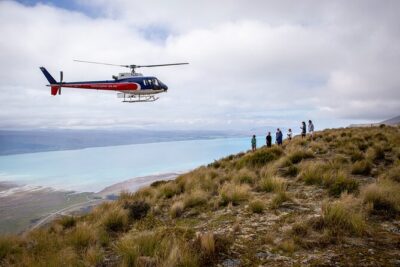
You can expect broad views of the Southern Alps and a close look at Aoraki/Mount Cook. The aircraft also makes a spectacular fly-by of the mountain before taking you toward a remote section of Tasman Glacier. Depending on seating, you may have a front or window position on one leg of the flight. The seating may be changed around so everyone gets a good view either on the way out or back.
That detail matters. Helicopter seating can make or break a scenic flight, especially when you are paying a premium price. You should still avoid assuming that every seat offers the same view for the full flight, but the effort to rotate seating is a welcome touch.
The pilots are part of the experience too. Mark has been singled out for both his flying and the quality of the views, and other comments praise the smooth handling of the aircraft. You will need to follow strict instructions around the helicopter, so this is not a casual sightseeing flight where you wander near the aircraft for photos.
More Glacier Helicopter Tours in New Zealand
- Mount Cook: Scenic Helicopter Flight with Alpine Landing
★ 4.8 · 442 reviews - Mount Cook: Ski Plane and Helicopter Glacier Combo Flight
★ 4.6 · 271 reviews - Mount Cook: 3 Hour Heli Hike to the Tasman Glacier
★ 4.7 · 218 reviews
Landing high on the ice
The landing point sits at roughly 4,265 feet, or 1,300 meters. That altitude is not extreme, but cold, wind, snow glare, and uneven ice can make the outing feel demanding. The supplied clothing is useful here, especially if your own packing is suited to a mild day in the valley rather than a glacier.
The outfitting includes quality leather boots and wool socks, a waterproof jacket, over-trousers, crampons, snowshoes in winter, and adjustable walking poles. A harness is also available if needed. You should still arrive with three or four warm upper-body layers, warm trousers, sunglasses, sun protection, a hat, gloves, water, and snacks.
Do not wear jeans. They hold moisture and become uncomfortable quickly in cold conditions. The smart approach is to dress in layers so you can adjust as the temperature and activity level change.
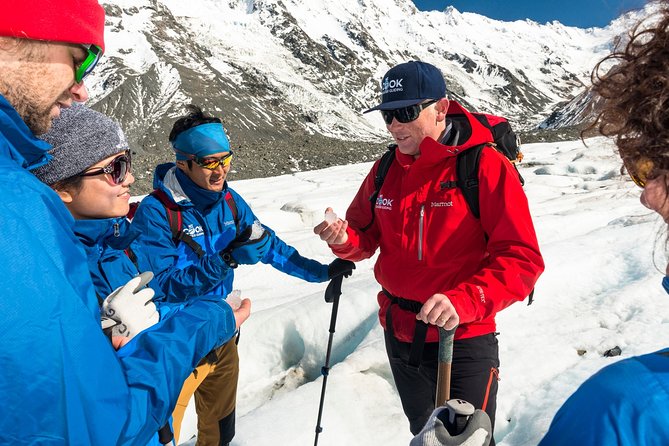
Once you land, the guide fits your crampons or snowshoes and explains how to move safely. Crampons give you traction on firm ice, while snowshoes help in softer winter snow. The equipment does not turn the walk into a simple stroll. You still need to lift your feet properly, watch where you step, and listen closely to instructions.
The supplied gear is one reason this tour works well for visitors who did not arrive in New Zealand with full mountaineering equipment. You need moderate physical fitness, but you do not need to purchase a complete glacier kit for one afternoon.
Following the guide through ice caves and blue holes
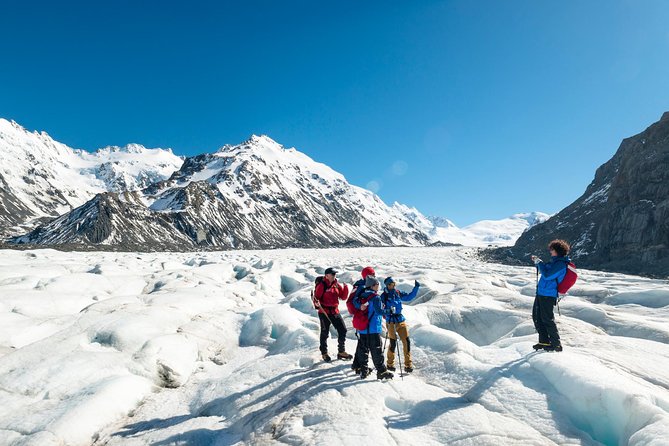
The guided walk is the heart of the trip. Your route is not fixed like a city tour. The guide chooses the safest and most interesting way across the glacier, based on snow, ice, weather, and current conditions.
Guides use skills passed down from New Zealand’s mountain pioneers, including cutting steps in the glacier when needed. That makes the walk feel more purposeful than a simple photo stop. You learn how to move across the ice while seeing features that are hard to appreciate from below.
The route can include ice caves, tunnels, holes, and blue-white chambers. One outing included a descent about ten feet into a blue-white hole, with water surging underneath. Another included glacier water and a slushie made from glacier ice. These details show why conditions matter: you are visiting an active ice environment, not a permanent attraction with the same displays every day.
You might also see fresh snow, small avalanches, channels, and changing ice formations. One guide led an outing past an ice tunnel and cave while small avalanches occurred nearby. That sounds exciting, but it also explains why the guide’s judgment is so important. You should not expect to wander off alone or choose your own route.
The best guides make room for questions and photographs without losing control of the group. Flav has been praised for finding interesting features and allowing time for pictures. Hunter is noted for bringing energy to the walk, while Richard has been praised for his safety awareness and enthusiasm. Fiona, Pawel, and Anna have also been highlighted for friendly, careful guidance.
You may not see every feature described above. Glacier routes change, and the guide has the final say. That uncertainty is part of the appeal, but it is also a reason to book this for the experience of being on the ice rather than for one promised cave or hole.
Why the small group matters
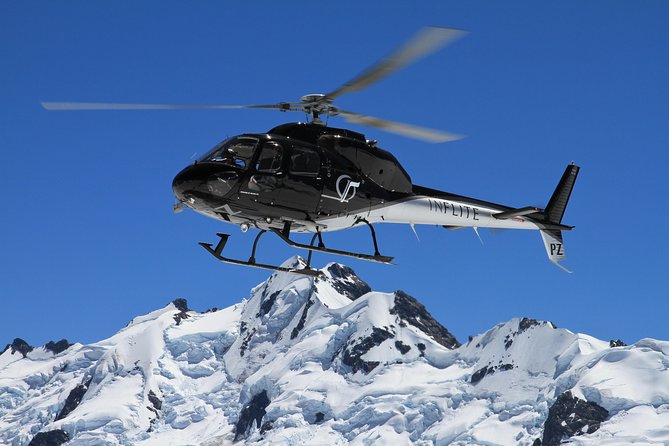
The maximum group size is 11 people. That is not a private tour, but it is small enough for a guide to keep track of foot placement, crampon use, and comfort in cold conditions.
A small group also helps with photographs. You will have less waiting than you would on a large walk, and the guide can spend more time explaining a feature or helping someone across a tricky section. If you are nervous about walking on ice, that personal attention has real value.
The group size does not remove the physical demands. You will still be walking over uneven surfaces, possibly crouching or crawling through ice formations, and managing cold-weather clothing. The tour is a better match for people with moderate fitness than for anyone seeking a gentle sightseeing ride.
It can also be a good fit for different ages and experience levels within one party, provided everyone can manage the activity. The guide controls the pace, but the supplied information does not promise a fully easy or accessible route. If you have concerns about mobility or balance, ask the operator before booking.
More Glacier Helicopter Tours in Mount Cook:
- Mount Cook and The Glaciers 55-Minute Helicopter Flight
★ 4.5 · 133 reviews - 45-Minute Glacier Highlights Helicopter Tour from Mount Cook
★ 5.0 · 57 reviews - 25-Minute Helicopter flight including an alpine landing
★ 4.5 · 49 reviews - Mount Cook: Alpine Vista Helicopter Flight with Alpine Landing
★ 4.5 · 39 reviews
A three-hour outing with weather in control
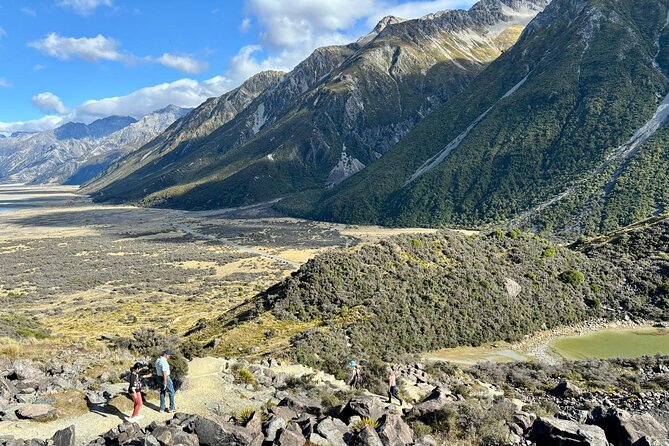
The full experience lasts about three hours, including the outbound flight, equipment fitting, glacier walk, and return flight. A review of the outing described about two hours on Tasman Glacier, but the exact split can change.
Weather is the key variable. Helicopters need suitable conditions, and glacier walking requires safe visibility and ice conditions. The company may wait until close to departure before deciding. You should keep your schedule flexible and avoid placing an important same-day commitment immediately afterward.
If poor weather cancels the activity, you can choose another date or receive a full refund. The same applies if the minimum number of participants is not reached and the company cancels. That policy reduces the financial risk, but it does not solve the inconvenience of a changed itinerary.
The strict departure rule deserves attention. The helicopter schedule cannot be held for late arrivals. If you miss your confirmed time and the space cannot be resold, you can be charged the full price. I would arrive early at Mount Cook Airport and allow plenty of time for road delays, parking, and check-in.
This is particularly important if you are driving through the Mount Cook area. A road closure has forced a booking change for at least one party, and a replacement space was found two days later. That kind of flexibility helped, but you should not rely on getting a last-minute place.
Is $572.23 a fair price?
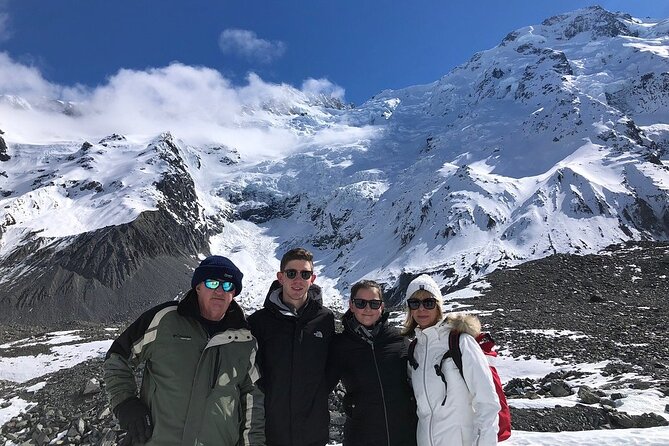
At $572.23 per person, this is expensive. You are paying for helicopter operations, two scenic flights, specialist equipment, a professional guide, and access to a remote part of the glacier. The price is not comparable to a standard valley walk or a viewpoint shuttle.
The value improves if you want three experiences in one: a flight over the Southern Alps, a close view of Aoraki/Mount Cook, and a guided walk on Tasman Glacier. Recreating the glacier portion independently would not be practical for most visitors. You would need specialist gear, route knowledge, glacier skills, and a way to reach the high landing point.
I would call it good value for a major adventure, but not a bargain. If your budget is tight, you can see Mount Cook and Tasman Glacier from accessible viewpoints at far less cost. Those options will not give you the helicopter flight or the sensation of walking through blue ice.
The strongest case for booking is that the experience feels substantial rather than decorative. You are not just taking a short flight, posing beside a helicopter, and leaving. The guide works with the glacier, finds formations, cuts steps when needed, and gives you time to understand the ice.
What to bring and how to prepare
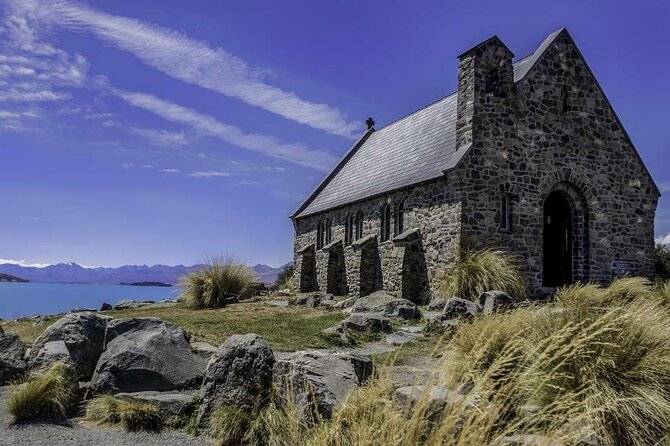
Pack light, but do not underdress. The company supplies the main technical clothing, yet your base layers and personal items still affect how comfortable you are.
Bring:
- Three or four warm upper-body layers
- Warm trousers, not jeans
- Sunglasses and sun protection
- A warm hat and gloves
- Water and snacks
- A camera or phone protected from cold and moisture
The supplied jackets and boots have been praised for keeping people warm and dry. Still, personal gloves and hats may fit better than borrowed items, so bring your own if you have them.
Keep your expectations practical. You may get clear mountain views, fresh snow, caves, blue holes, and even a close look at small avalanches. You may also get a shorter or altered route if conditions change. The guide’s job is to make the day safe and worthwhile, not to deliver a fixed list of sights.
Who should book the Tasman Glacier heli-hike?
I would recommend this to you if you want an active mountain experience and are comfortable paying for something special. It suits people who want more than a scenic flight, but who do not have the time or skills for a long glacier expedition.
It is especially appealing if you are already visiting Aoraki/Mount Cook and want one memorable centerpiece for the area. The combination of helicopter views and time on the ice gives the day a strong sense of place.
You may want to skip it if you dislike helicopters, have a strict budget, need guaranteed departure timing, or are not comfortable walking on uneven snow and ice. You should also think twice if a weather cancellation would badly disrupt your itinerary.
The excellent score of 4.9 out of 5 from 92 ratings reflects the parts that matter most: strong guides, careful safety work, good equipment, dramatic flights, and genuine time on the glacier. The activity is recommended by 98 percent of the people who rated it, which is unusually strong for a weather-dependent adventure.
FAQ
Where does the Tasman Glacier heli-hike start and finish?
The activity starts at Mount Cook Airport on Mount Cook Road in the Canterbury Region. It ends back at the same meeting point after the return scenic flight.
How long does the experience last?
The experience lasts approximately three hours. This includes both helicopter flights, equipment fitting, and the guided glacier walk.
What equipment is provided?
The company provides quality leather boots, wool socks, a waterproof jacket, over-trousers, adjustable walking poles, crampons, and snowshoes in winter. A harness is provided if required.
What should I wear and bring?
Bring three or four warm upper-body layers, warm trousers, sunglasses, sun protection, a hat, gloves, water, and snacks. Jeans are not recommended.
What happens if the weather is too poor to fly?
If poor weather causes a cancellation, you can choose an alternative date or receive a full refund. The final decision depends on safe operating conditions.
Can I cancel for a full refund?
Yes. You can cancel at least 24 hours before the experience start time for a full refund. Cancellations or changes made less than 24 hours before departure are not accepted, and missing the confirmed departure may result in a charge for the full cost.
Should you book it?
Book it if you want to walk on Tasman Glacier, see Aoraki/Mount Cook from the air, and make the mountain the main event of your South Island trip. The price is high, but the helicopter access, technical gear, small group, and active guiding make it a serious experience rather than a quick photo stop.
My advice is to book early, keep the day flexible, arrive well before departure, and treat the exact glacier route as a bonus. If you can accept the cost and the weather risk, this is one of the most memorable ways to experience the Mount Cook area.
More Heli-Hike Trips in Mount Cook
- Glentanner High Country Heli Hike
★ 5.0 · 52 reviews - Mount Cook: 3-Hour Tasman Glacier Heli-Hike
★ 4.5 · 29 reviews - Franz Josef Glacier Heli-Hike
★ 4.5 · 618 reviews - Heli Hike Fox Glacier
★ 5.0 · 563 reviews
Newly added flights around Mount Cook
- Mount Cook: Mountains High 40-Minute Helicopter Flight★ 5.0 · 53 reviews
- Mount Cook Alpine Explorer Helicopter Flight with Alpine Landing★ 4.0 · 22 reviews
- Mount Cook: Alpine Vista Helicopter Flight with Alpine Landing★ 4.5 · 39 reviews
- Mount Cook Scenic 35 Minute Helicopter Flight★ 5.0 · 6 reviews
- Glentanner High Country Heli Hike★ 5.0 · 52 reviews
- 25-Minute Helicopter flight including an alpine landing★ 4.5 · 49 reviews
- Mount Cook: 3-Hour Tasman Glacier Heli-Hike★ 4.5 · 29 reviews
- 45-Minute Glacier Highlights Helicopter Tour from Mount Cook★ 5.0 · 57 reviews
Mount Cook Helicopter Tours, compared.
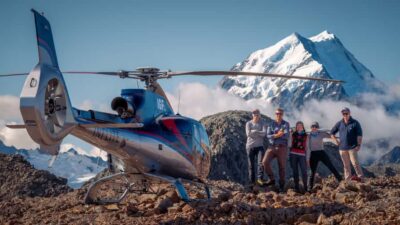
Mount Cook: Scenic Helicopter Flight with Alpine Landing
Read our review →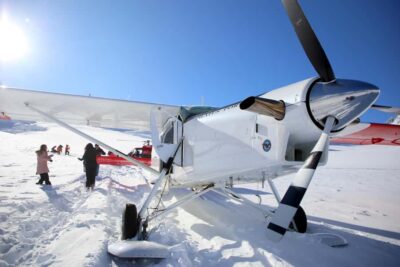
Mount Cook: Ski Plane and Helicopter Glacier Combo Flight
Read our review →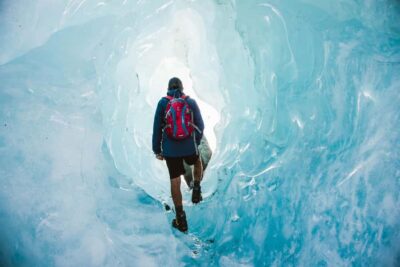
Mount Cook: 3 Hour Heli Hike to the Tasman Glacier
Read our review →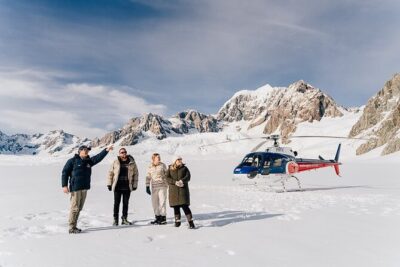
Mount Cook and The Glaciers 55-Minute Helicopter Flight
Read our review →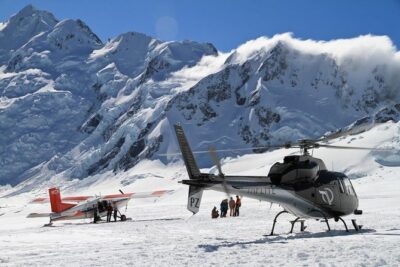
45-Minute Mount Cook Ski Plane and Helicopter Combo Tour
Read our review →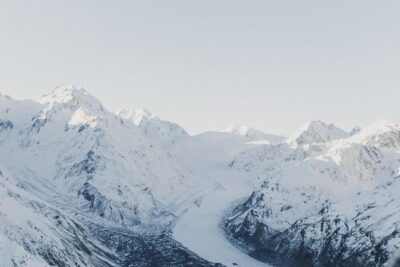
45-Minute Glacier Highlights Helicopter Tour from Mount Cook
Read our review →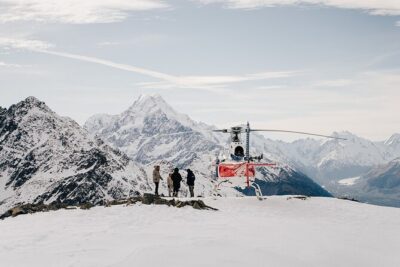
Mount Cook: Mountains High 40-Minute Helicopter Flight
Read our review →