
Review · MOUNT COOK HELICOPTER TOURS
45-Minute Mount Cook Ski Plane and Helicopter Combo Tour
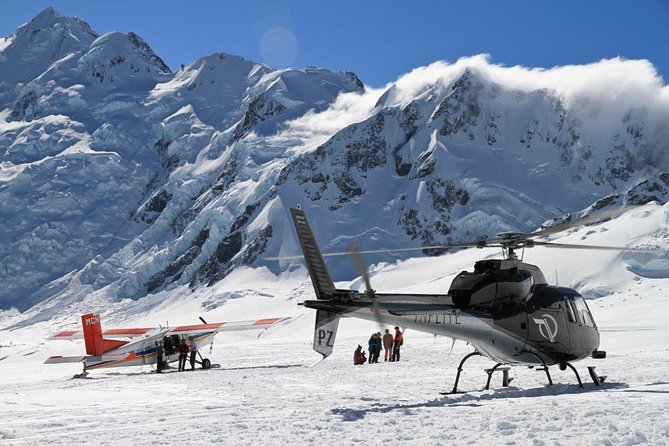
Flying in both a ski plane and a helicopter is the clever idea behind this Mount Cook outing. You cross the Tasman Valley, pass near Aoraki Mount Cook, land on the snow-covered Tasman Glacier, and change aircraft on the ice before returning. It is a rare combination, and the glacier stop gives the flight a quiet, memorable pause.
I like the variety: the ski plane gives you a wider, sometimes bumpier aerial view, while the helicopter offers a smoother ride and a closer look at the peaks and ice. I also like that the aircraft shut down on the glacier, giving you 10 to 15 minutes to hear the silence rather than rushing through a quick landing.
The main catch is that weather and snow conditions control the day. Wind, cloud, rain, or an uneven glacier surface can force a helicopter-only flight, a different glacier, a delayed departure, or a cancellation. A minimum of eight people is also needed for the flight to operate.
Key points to know before booking
- Two aircraft in one outing: You fly in a ski plane and helicopter, with the changeover taking place on the glacier when conditions allow.
- Tasman Glacier landing: Plan on 10 to 15 minutes on the ice, though the exact landing site can change with conditions.
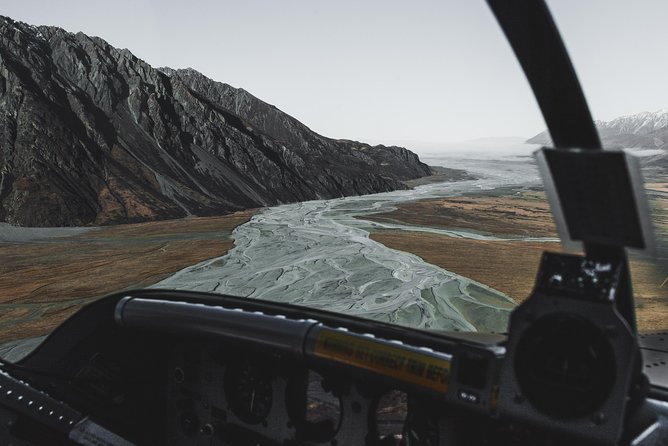
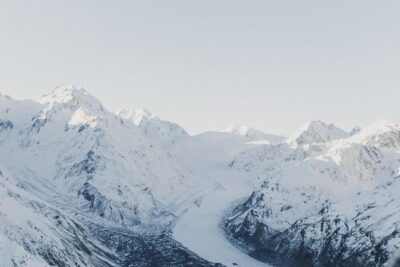
- Aoraki Mount Cook views: The route includes the Tasman Valley, braided rivers, lakes, glaciers, and views toward New Zealand’s highest mountain.
- Small aircraft, small group: The maximum is 16 people, and headsets let you hear the pilot’s commentary.
- Weather is a serious factor: Flights can be delayed, altered, or cancelled. The company may offer another date, another flight, or a full refund.
- Bring only what you need: A camera, mobile phone, and sunglasses are practical. One booking account says passengers were asked to leave other belongings in the car.
Why the ski plane and helicopter combination works
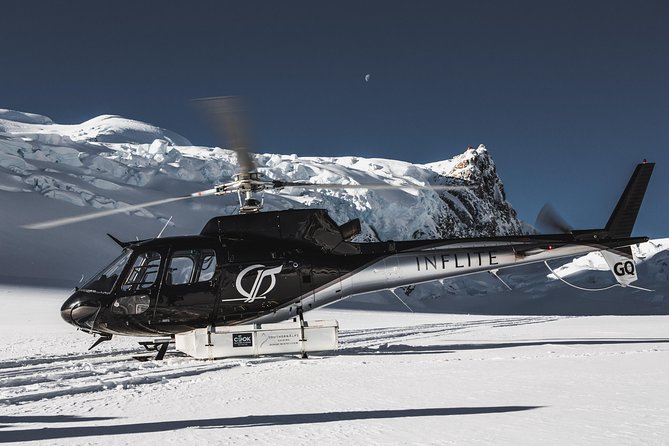
A standard scenic flight can give you grand views, but the two-aircraft format adds a useful contrast. A ski plane flies with skis fitted for snow landings, while a helicopter can hover and land on tighter or less even ground. You feel that difference in the air and on the glacier.
The ski plane tends to provide a broader sense of the area. You look across braided river channels, lakes, glacier tongues, and the broad Tasman Valley. The ride can be bumpier than a helicopter, but that is part of the character of a small fixed-wing aircraft.
The helicopter feels more nimble. It can approach the ice and mountain walls from a different angle, and the pilot can point out features along the way. One pilot, Sam, received particular praise for bringing the helicopter close to Mount Cook and explaining what you were seeing.
The order of the aircraft is not guaranteed. You may fly up in one and return in the other, but weather and operating conditions can alter the plan. The essential idea remains the same: an aerial view, a glacier landing when possible, and a different aircraft for part of the trip.
More Ski Trips in Mount Cook:
- Mount Cook: Ski Plane and Helicopter Glacier Combo Flight
★ 4.6 · 271 reviews - Mt Cook: 55-Minute Scenic Flight in Helicopter or Ski Plane
★ 4.1 · 6 reviews
From Mount Cook Airport into the Tasman Valley
You meet at Mount Cook Airport on Mount Cook Road. Check-in closes 30 minutes before departure, so do not treat the listed flight time as your arrival time. In this remote part of the South Island, a late arrival is a poor gamble.
The airport experience is simple rather than elaborate. You receive a headset so you can hear the guide, then board the assigned aircraft. The group limit of 16 helps keep the operation small, though the aircraft itself may feel intimate, and your view can depend on your seat.
Once airborne, the route takes in the braided rivers and open reaches of the Tasman Valley. These pale, shifting channels are best understood from above, where their patterns spread across the valley floor. The pilot’s live commentary helps give names and context to the mountains, glaciers, lakes, and huts below.
The view changes quickly. The plane gives you a broad sweep, while the helicopter allows closer attention to the ice and slopes. If photography matters to you, keep your camera or phone ready, but also spend some time looking without a screen. The most memorable part is not always the sharpest photograph.
Landing on the Tasman Glacier
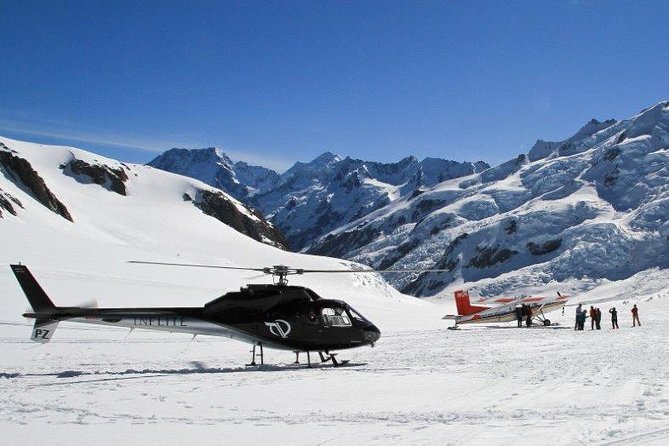
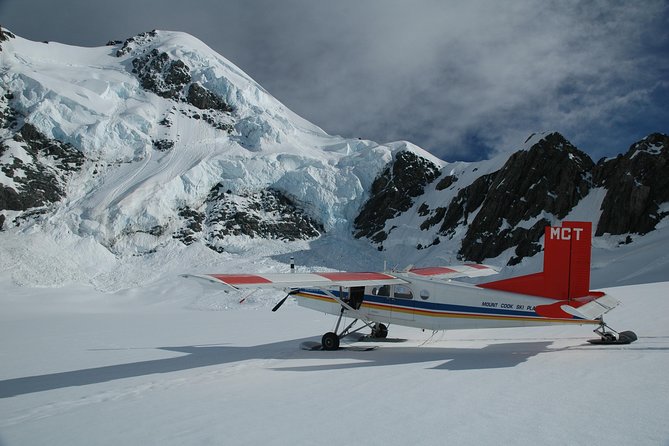
The glacier landing is the heart of the experience. The aircraft comes down on snow and ice, then shuts off so you can step out and take in the setting. You have roughly 10 to 15 minutes, enough for photographs and a short walk around the landing area, but not enough for an extended hike.
The silence matters. Once the engines stop, the glacier feels far removed from the airport and road. You are surrounded by ice, snow, and high peaks, with no trail timetable or crowded lookout competing for your attention.
Conditions can change the landing plan. Fresh rain, wind, melting ice, or an uneven surface may make a ski plane landing unsuitable. In one case, the helicopter completed the glacier portion because the surface was too uneven for the ski plane. That is not a failure of the tour. It shows why the helicopter is an important part of the operation.
The Tasman Glacier is not guaranteed on every departure, either. When the Tasman site was not viable, the flight went to Franz Josef Glacier instead. That still provided a glacier experience, but you should book with the right expectation: the aircraft crew will choose the safest workable option, not force the advertised route.
Do not expect a long glacier walk. This is a landing and short stop, not a guided ice trek. The value comes from reaching the ice by air, standing there briefly, and seeing the glacier from the air before and after the landing.
Changing aircraft on the snow
The aircraft change is what makes this outing different from a normal scenic flight. You do not simply fly out and return in the same machine. When the plan works as advertised, the aircraft is shut down on the glacier and you transfer from the ski plane to the helicopter, or the other way around.
This changeover also gives the trip a natural pause. You can take photographs, absorb the scale of the ice, and listen to the quiet before the second flight begins. The stop is short, so follow the crew’s instructions and be ready when it is time to board.
The practical side is worth noting. The experience may not suit everyone with limited mobility, even though most people can participate. One booking account specifically noted that the activity was less accessible than expected. If accessibility is important to you, contact the operator before paying rather than relying on a general participation statement.
Children must be accompanied by an adult. The total passenger weight limit is 221 pounds per person, and this should be checked carefully at booking. Aircraft weight and balance are safety matters, not minor paperwork.
A few more flights around Mount Cook worth comparing
- Mount Cook: Scenic Helicopter Flight with Alpine Landing
★ 4.8 · 442 reviews - Mount Cook: 3 Hour Heli Hike to the Tasman Glacier
★ 4.7 · 218 reviews - Mount Cook and The Glaciers 55-Minute Helicopter Flight
★ 4.5 · 133 reviews - The Adventurer: Tasman Glacier Heli-hike
★ 5.0 · 92 reviews
What the pilot commentary adds
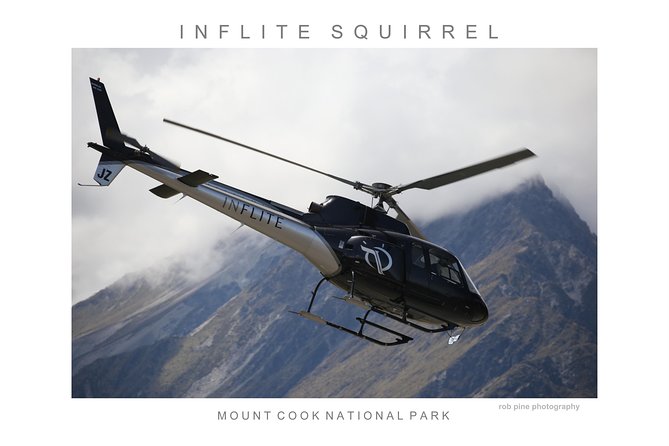
The included commentary helps turn a scenic ride into a more useful introduction to the area. You hear the guide through a headset, and pilots point out mountains, glaciers, lakes, and huts along the route.
Sam was singled out for getting close to Mount Cook and explaining the view during a helicopter flight. Other flights also received praise for friendly pilots and clear explanations. The quality of the commentary will naturally depend on the pilot and the conditions, but it is part of the experience rather than an optional extra.
You should not expect a long lecture. The flight is short, and the pilot must focus on operating the aircraft. Think of the commentary as helpful orientation: names, features, and a sense of where you are as the view passes below.
How much value do you get for $353.97?
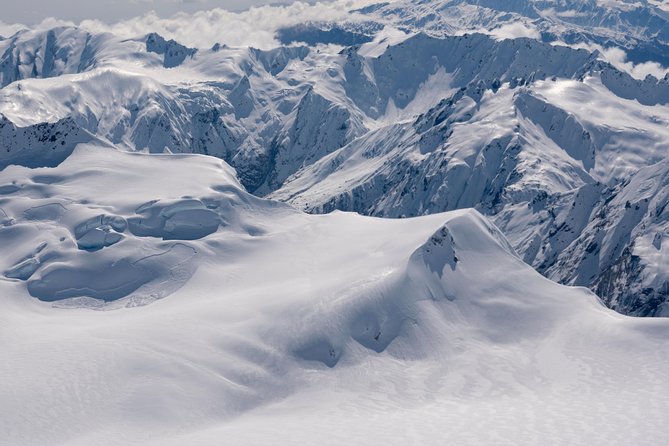
At $353.97 per person, this is a major travel expense. You are paying for aircraft operation, a glacier landing, specialist equipment, two different flight experiences, and the chance to see the Mount Cook area from angles that are difficult to reach on foot.
The value is strongest if you want a single, concentrated highlight and have clear weather. The outing combines the broad view from a ski plane, the closer perspective of a helicopter, and time on a glacier. A normal sightseeing flight may cost less, but it will not necessarily give you the aircraft change and glacier stop.
The value is weaker if your main goal is a guaranteed Tasman Glacier landing or a long time on the ice. Neither can be promised. You may receive a helicopter-only flight, a Franz Josef Glacier landing, or a cancellation when conditions are unsafe.
One booking account also described a long wait and another reported 20 minutes in hot sun before loading. These accounts are not enough to define every departure, but they are a useful reminder to keep your schedule flexible and prepare for time outside. Another account described waiting several hours because of delays and boarding order.
The company has sometimes offered a higher-value alternative when part of the planned operation could not run. One helicopter-only replacement was described as being worth more than the original fare. That may help soften a change of plan, but ask what is being offered before assuming the substitute will match the two-aircraft experience.
Weather, cancellations, and planning around the flight
Mount Cook weather can change quickly, and this flight depends on safe visibility, wind, and landing conditions. A clear forecast at breakfast does not guarantee the same conditions later.
The operator can cancel for poor weather or because fewer than eight people are booked. If that happens, you can be offered another date or experience, or receive a full refund. If you need to cancel yourself, you must do so at least 24 hours before the start time for a full refund. Changes or cancellations inside that window are not accepted for a refund.
Communication deserves attention. One person drove from Lake Tekapo toward Mount Cook and only learned after calling that the flight was not operating. Another account described waiting for a refund notification. Since the information supplied does not promise a specific notification method or timing, I would confirm the departure status before setting out, especially when rain or strong wind is forecast.
Do not build a tight same-day connection around this activity. The official duration is about 45 minutes, but weather checks, loading, delays, aircraft changes, and rescheduling can affect your day. A flexible itinerary will make the experience much less stressful.
What to bring and what to expect on the ground
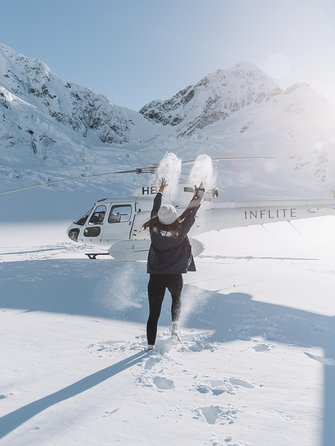
Bring sunglasses and a camera or mobile phone, but keep your hands free for boarding and follow the crew’s baggage instructions. One account said only sunglasses, a phone, and a camera were allowed on the flight, with other items left in the car.
Dress for cold conditions. Coats are not listed as included, and one person wished outer layers had been provided. The glacier can feel cold even when the airport is comfortable, so wear warm clothing rather than assuming the short stop will not matter.
Souvenir photos are not included, though they can be purchased. Your own camera is likely to be enough for many people, but glare from snow and reflections can make sunglasses useful.
The flight ends back at Mount Cook Airport, making it easy to return to your vehicle or continue with plans nearby. There is no separate transport from the airport included in the information provided.
Who will enjoy this most
I would recommend this for you if you want a memorable aerial view of Aoraki Mount Cook and prefer a short, high-impact outing to a full-day walk. It suits photographers, first-time helicopter passengers, families with adult supervision, and anyone who wants to set foot on a glacier without committing to a long trek.
It is also a good fit if you appreciate variety. The contrast between a ski plane and helicopter is more interesting than simply repeating the same type of flight.
I would hesitate if you have a strict schedule, dislike waiting, need guaranteed accessibility, or would be disappointed by a helicopter-only flight. The price also deserves serious thought. This is a special-occasion purchase, not a casual add-on.
Should you book the Mount Cook combo flight?
Book it if the two-aircraft idea excites you and you can accept that weather may change the route. The strongest version of the trip gives you a ski plane, a helicopter, a Tasman Glacier landing, quiet time on the ice, and close views of Aoraki Mount Cook.
Before booking, check the weight limit, ask about accessibility if needed, leave room in your schedule, and confirm the flight status when poor weather is forecast. If the cost feels high, remember that the price buys access to a remote glacier as well as the flight itself. If a glacier landing is the main reason you are going, keep your expectations flexible and be prepared for Franz Josef, a helicopter-only option, or a refund.
FAQ
How long is the Mount Cook ski plane and helicopter tour?
The experience lasts approximately 45 minutes. The listed flight-time detail is 15 minutes, while the full outing includes the glacier landing and aircraft change.
Where does the tour start and finish?
It starts and ends at Mount Cook Airport, Mount Cook Road, Canterbury Region 7999, New Zealand.
Does the tour include a glacier landing?
Yes. The planned experience includes a landing on the Tasman Glacier, with about 10 to 15 minutes on the glacier when conditions allow.
Do I fly in both a ski plane and a helicopter?
The tour is designed to include both aircraft, with a changeover on the glacier. Weather, aircraft availability, and landing conditions can require a different arrangement.
Can the tour visit a different glacier?
Yes. If the Tasman Glacier is not suitable, the flight may use another option, including Franz Josef Glacier.
What happens if the weather is poor?
The flight may be delayed, changed, or cancelled. If the operator cancels because of weather, you can be offered another date or experience, or receive a full refund.
Is there a minimum group size?
Yes. At least eight people are required before the flight will operate.
How many people can join the flight?
The maximum group size is 16 people.
What is the passenger weight limit?
The total weight limit is 221 pounds per passenger.
Are photos included?
No. Souvenir photos are available to purchase, but they are not included in the tour price.
Newly added flights around Mount Cook
- Mount Cook: Mountains High 40-Minute Helicopter Flight★ 5.0 · 53 reviews
- Mount Cook Alpine Explorer Helicopter Flight with Alpine Landing★ 4.0 · 22 reviews
- Mount Cook: Alpine Vista Helicopter Flight with Alpine Landing★ 4.5 · 39 reviews
- Mount Cook Scenic 35 Minute Helicopter Flight★ 5.0 · 6 reviews
- Glentanner High Country Heli Hike★ 5.0 · 52 reviews
- 25-Minute Helicopter flight including an alpine landing★ 4.5 · 49 reviews
- Mount Cook: 3-Hour Tasman Glacier Heli-Hike★ 4.5 · 29 reviews
- 55-Minute Grand Circle Helicopter★ 4.5 · 36 reviews
Mount Cook Helicopter Tours, compared.
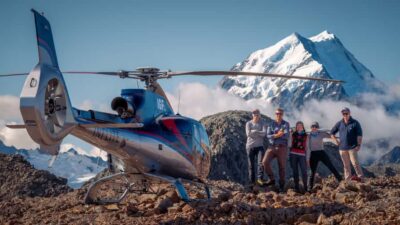
Mount Cook: Scenic Helicopter Flight with Alpine Landing
Read our review →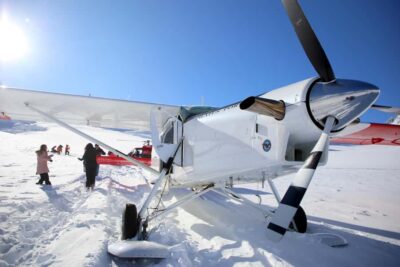
Mount Cook: Ski Plane and Helicopter Glacier Combo Flight
Read our review →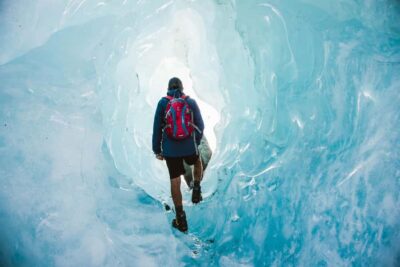
Mount Cook: 3 Hour Heli Hike to the Tasman Glacier
Read our review →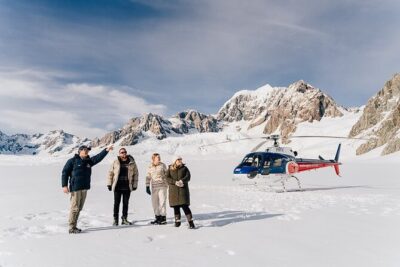
Mount Cook and The Glaciers 55-Minute Helicopter Flight
Read our review →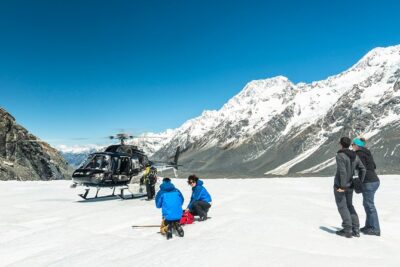
45-Minute Glacier Highlights Helicopter Tour from Mount Cook
Read our review →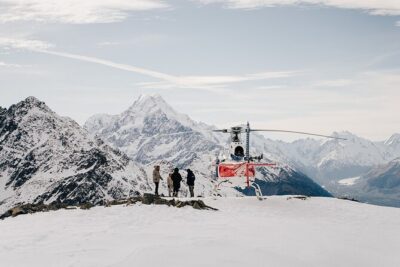
Mount Cook: Mountains High 40-Minute Helicopter Flight
Read our review →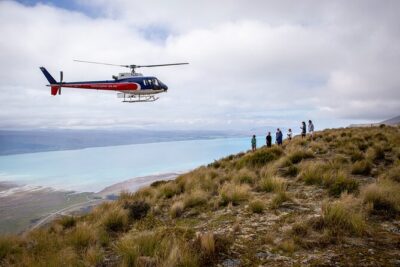
Browse the lists this tour appears in