
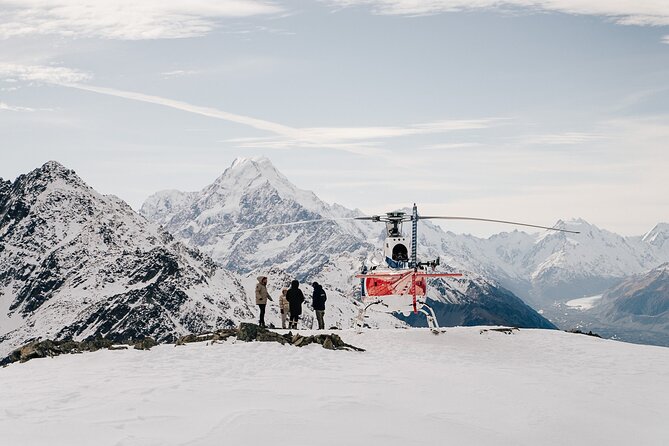
Review · MOUNT COOK HELICOPTER TOURS
Mount Cook: Mountains High 40-Minute Helicopter Flight
The best part of this flight is the snow landing on or near the Tasman Glacier, where you step out into the high alpine world with Aoraki/Mt. Cook rising nearby. I especially like the sharp change of scenery, from blue-white ice fields to the dry Mackenzie Basin, and the small group size of up to six people.
The main catch is that a snow landing cannot always happen. Weather, wind, season, and snow conditions can force a landing on an ice field or another suitable site, and some passengers have also found the headset commentary hard to hear.
Key points
- Snow landing: Spend about 5 to 10 minutes outside the helicopter in the alpine snow.
- Aoraki/Mt. Cook views: Look toward New Zealand’s highest peak from above the Tasman Glacier.
- Hochstetter Icefall: Fly past one of the most striking ice features on Aoraki/Mt. Cook.
- Wide-ranging route: See the Tasman Glacier, Burnett Mountains, Mackenzie Basin, and waterways leading toward the West Coast.
- Small cabin: The open-plan helicopter carries a maximum of six people.
- Weather matters: The flight may be changed, delayed, or canceled if conditions are unsafe.
A snow landing above the Tasman Glacier
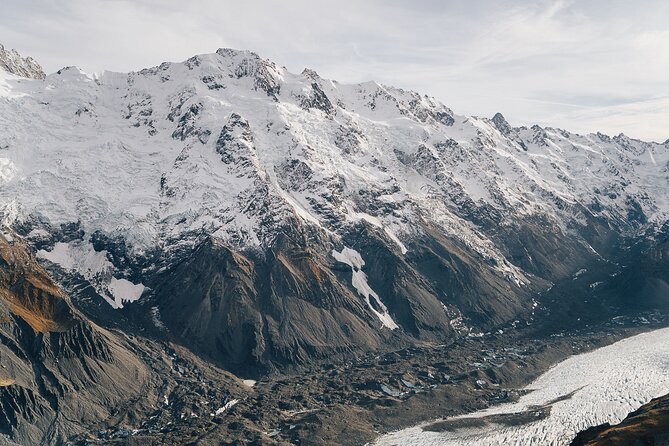
A helicopter flight can make the Southern Alps feel vast in a way a road or trail cannot. From the air, the upper Tasman Glacier stretches into the distance, ice falls pour down mountain slopes, and Aoraki/Mt. Cook rises above the surrounding peaks.
This 40-minute flight is built around that sense of scale. You leave from The Helicopter Line base at Glentanner Park and head toward the Hochstetter Icefall and upper Tasman Glacier. The helicopter then makes an alpine landing, normally in snow, giving you a short chance to step outside and take in the cold, clear mountain air.
The landing lasts about 5 to 10 minutes. That is not long enough for a walk or a proper hike, but it is long enough to stand in the snow, take photographs, and appreciate how remote the setting feels. You are not simply looking at a glacier from a viewpoint. You are standing in the alpine world above the valley.
Aoraki/Mt. Cook reaches 12,217 feet, or 3,724 meters, above sea level. The mountain is the visual anchor of the flight, but the surrounding ice fields and ridges are just as important. I like that the route does not treat the peak as a single photo backdrop. You see the larger mountain system around it.
A few more flights around Mount Cook worth comparing
- Mount Cook: Scenic Helicopter Flight with Alpine Landing
★ 4.8 · 442 reviews - Mount Cook: Ski Plane and Helicopter Glacier Combo Flight
★ 4.6 · 271 reviews - Mount Cook: 3 Hour Heli Hike to the Tasman Glacier
★ 4.7 · 218 reviews
What the 40-minute route includes
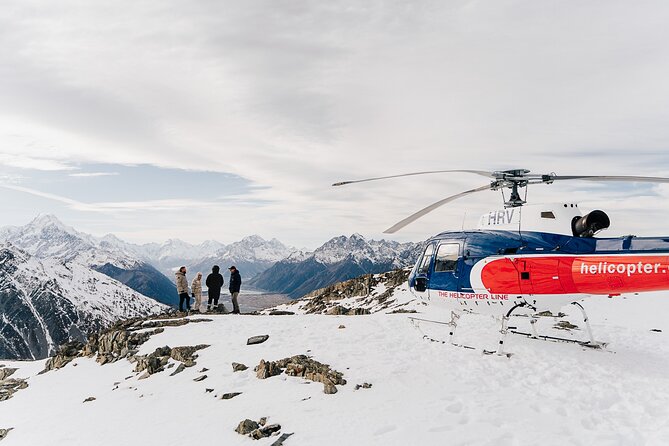
The flight begins with the helicopter leaving Glentanner Park and turning toward the high country. Your pilot handles the flying and provides commentary about the natural features below, so the trip works as both a scenic flight and a short introduction to the region.
The first major point of interest is the Hochstetter Icefall on Aoraki/Mt. Cook. Icefalls form where a glacier moves over a steep or broken section of ground. From the air, this creates a dramatic mix of ridges, cracks, shadows, and blue-white ice. You will not get the same view from the main roads around Mount Cook Village.
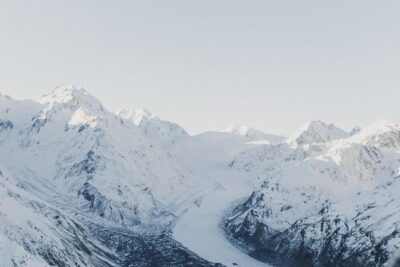
The helicopter then continues over the upper Tasman Glacier. This is where the scale of the region becomes clear. The glacier is not just a patch of snow below you. It is a broad frozen route between mountain walls, with folds and textures that are easy to miss from the valley floor.
After the glacier flight, the pilot looks for a suitable alpine landing site. If conditions allow, you touch down on snow and leave the helicopter for a few minutes. The open setting gives you a wide view toward Aoraki/Mt. Cook and the surrounding summits.
The return route crosses the Burnett Mountains and looks down into the Mackenzie Basin. This change is one of the strongest features of the trip. You move from glaciated alpine terrain to a much drier, more open region, with sparkling waterways below and long views toward the rugged West Coast and its native rainforests.
That variety gives the flight more value than a simple out-and-back over one glacier. You get ice, rock, snow, high peaks, dry pasture, and waterways in one compact trip.
Why the Tasman Glacier landing matters
The landing is the emotional center of the experience. From the helicopter, the mountains are grand and distant. Once the rotors slow and you step onto the snow, the setting becomes physical. You feel the cold under your boots and see the mountain air moving across an open alpine field.
The short stop is also useful for photographs. The helicopter itself, the snow, and Aoraki/Mt. Cook can all appear in the same frame, depending on the landing location and visibility. Bring a camera or phone, but keep your attention on the place as well. Five minutes can pass quickly when you are managing photos and trying to take in the view.
It is important to understand the wording around the landing. A snow landing is a major feature of the advertised experience, but it is not guaranteed in every season. Snowfall, warm conditions, wind, and the condition of the landing area can change the plan.
At times, the helicopter may land on a field of ice rather than fresh snow, or make a modified alpine landing. On some flights, no snow landing has been possible. If standing on snow is the single reason you want to book, ask about current conditions before paying.
Even with that limitation, a landing on an ice field or another high alpine site can still provide the core experience: a helicopter flight among the Southern Alps followed by time outside in a remote mountain setting.
The open cabin and small-group advantage
The helicopter has an open-plan cabin and carries up to six people. That matters because the experience feels more personal than a large aircraft flight, and you are close to the windows on all sides.
The cabin layout includes two front seats and four rear seats. Seating may be rotated after the landing so people who sat in the rear can have a front position for part of the flight. Pay attention to the briefing and speak up politely if the arrangement is unclear. A front seat can make a difference for unobstructed views and photographs.
The small capacity also gives the pilot a chance to provide commentary during the route. The commentary covers the glaciers, mountains, and natural features below. Several passengers have found the pilots informative and reassuring, especially when the helicopter became a little bumpy.
Headsets are important here. At least some passengers have had trouble hearing the pilot because of headset problems. If you cannot make out the commentary, tell the crew as soon as possible rather than waiting until the flight ends. The scenery remains the main event, but the explanations add useful context.
Pilots praised by name include Gillie, Richard, Marcus, and others who have been described as attentive, informative, and proud of the area. The individual pilot can vary, of course, but the pilot guide is part of the included experience.
Same view, a different flight:
- Mount Cook and The Glaciers 55-Minute Helicopter Flight
★ 4.5 · 133 reviews - 45-Minute Mount Cook Ski Plane and Helicopter Combo Tour
★ 4.5 · 107 reviews - The Adventurer: Tasman Glacier Heli-hike
★ 5.0 · 92 reviews - 45-Minute Glacier Highlights Helicopter Tour from Mount Cook
★ 5.0 · 57 reviews
Weather, wind, and the reality of alpine flying
Mount Cook weather can change fast. Clouds can block the high peaks, strong winds can make a landing unsafe, and visibility can alter the route. The operator requires good weather, and a flight may be rescheduled or canceled if conditions do not meet safety standards.
That uncertainty is not a flaw unique to this activity. It is part of flying into a high mountain environment. A clear day can produce views of the major peaks and glaciers, while a poor-weather flight may need a modified route or a different landing point.
If your schedule allows, keep some flexibility around the booking. A flight has been moved to another day because of weather, and some passengers have been offered an earlier departure when the forecast was better. The best mountain views often come from taking the available clear window rather than insisting on a particular clock time.
You are asked to give a preferred flight time when booking. Treat that as a request rather than an absolute promise. The final timing can depend on weather, aircraft operations, and available space.
Wear warm clothing and suitable footwear. The helicopter may be comfortable inside, but the landing site can be cold, exposed, and snowy. Shoes that handle snow are more useful than smooth casual footwear.
The price and what you get for it
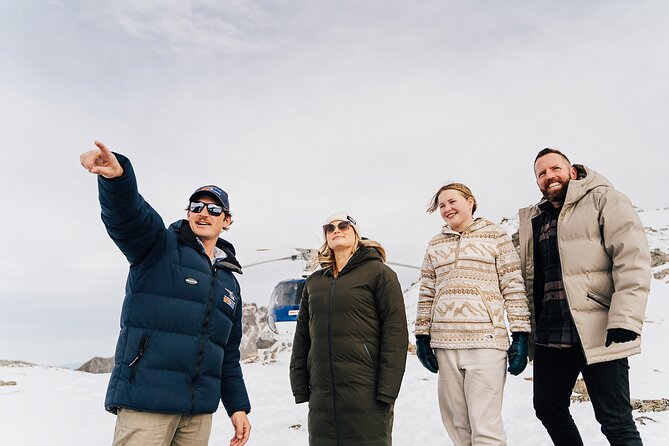
At $416.90 per person, this is a major travel expense. It is not a casual add-on for a quick view of Mount Cook. You are paying for a 40-minute helicopter flight, a pilot guide, a small cabin, and the chance to land in the alpine zone.
I think the value is strongest if you want an experience that combines flight, close mountain views, and time on the snow. A standard scenic flight may satisfy you if you mainly want aerial photographs. This option makes more sense if stepping outside the helicopter is central to your trip.
The route also covers a lot of ground. You see the Hochstetter Icefall, upper Tasman Glacier, Aoraki/Mt. Cook, Burnett Mountains, Mackenzie Basin, and waterways heading toward the West Coast. That range of scenery helps justify the price for people with limited time in the region.
The value falls if the weather limits visibility, the landing is changed, or you expect a long period on the glacier. The snow stop is brief, and the tour is still primarily a scenic flight. I would book it as a premium highlight, not as a substitute for a full-day glacier outing or mountain walk.
Who will enjoy this flight most
This trip suits you if you want a dramatic overview of the South Island’s alpine country without spending a full day hiking. It is also a strong choice if you are celebrating something special, since the combination of helicopter flight and snow landing feels distinct from ordinary sightseeing.
It can work well for families, but children must be accompanied by an adult. Most people can take part, though the helicopter requires physical effort to board. One family managed the boarding process for a physically disabled child with a small step stool and lifting assistance, but that should not be treated as a guarantee of easy access.
Ask the operator about your specific mobility needs before booking. The supplied information gives a total passenger weight limit of 331 pounds, so check how that limit applies to your party and aircraft before departure.
Photography fans will have plenty to look at, but the weather decides how much you see. Clear conditions can reveal major peaks and glaciers. Clouds may reduce the view to closer ridges and ice features, and the route may change for safety.
This is less suitable if you need a fixed schedule, dislike aircraft noise, or would be disappointed by a landing without snow. It is also not the right choice if you want a long walk on the glacier. The stop is designed for viewing and photographs, not exploration on foot.
Practical details before you go
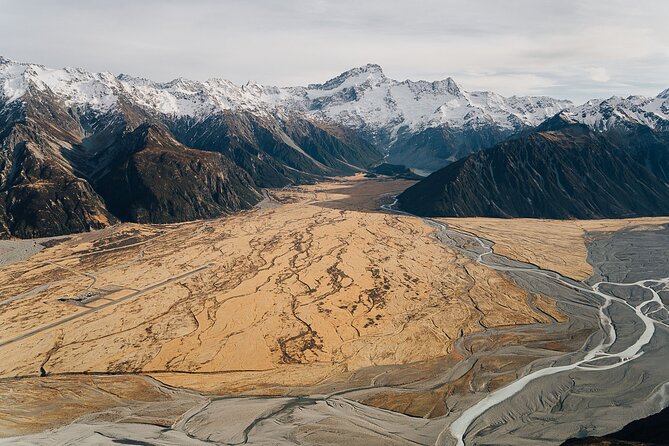
You make your own way to The Helicopter Line at Glentanner Park, State Highway 80, Glentanner 7999. The activity ends back at the same meeting point, so arrange your own return to Mount Cook Village or your next stop.
The flight takes about 40 minutes, including the alpine landing. Allow extra time around the scheduled departure for check-in and weather decisions, even though the published flight time is short.
Personal items are not included. Bring your own warm layers, suitable footwear, camera, and any personal necessities. Keep loose items secure around the helicopter and follow the crew’s instructions at the landing site.
Free cancellation is available up to 24 hours before the start time for a full refund. Cancellations within 24 hours are not refunded, and late changes are not accepted. If poor weather or insufficient numbers cancel the activity, you can be offered another date or experience, or receive a full refund.
Is the Mountains High flight worth booking?
I would book this flight if you have one clear day around Aoraki/Mt. Cook and want a high-impact experience with a genuine chance to stand in the snow above the valley. The short landing, small cabin, pilot commentary, and wide route make it more than a quick look at one peak.
Before committing $416.90, confirm the current snow-landing outlook and keep your schedule flexible. If the forecast is good and you can accept that the landing location may change, this is one of the strongest ways to understand the scale of the Southern Alps in a single morning or afternoon.
FAQ
Where does the helicopter flight start?
The flight starts at The Helicopter Line at Glentanner Park, State Highway 80, Glentanner 7999, New Zealand.
How long is the flight?
The scenic helicopter flight lasts approximately 40 minutes.
How long do you spend outside at the landing site?
The included snow landing lasts about 5 to 10 minutes.
Does the flight land on the Tasman Glacier every time?
The flight is designed to include an alpine snow landing above the Tasman Glacier, but snow landings are not guaranteed. Weather, wind, season, and snow conditions can lead to a landing on ice or another suitable site, or a modified flight.
What mountains and areas can you see?
The route includes the Hochstetter Icefall, upper Tasman Glacier, Aoraki/Mt. Cook, the Burnett Mountains, and the Mackenzie Basin. You can also see waterways leading toward the rugged West Coast and its native rainforests.
How many people can join the flight?
The helicopter carries a maximum of six people.
Is commentary included?
Yes. The pilot serves as your guide and provides commentary about the natural features and landmarks along the route.
What should I wear?
Warm clothing and suitable footwear are recommended because temperatures at the alpine landing site can be cold.
What happens if bad weather cancels the flight?
If poor weather cancels the experience, you can be offered a different date or experience, or receive a full refund.
Can I cancel for a full refund?
Yes. You must cancel at least 24 hours before the local start time. Cancellations within 24 hours are not refunded.
Newly added flights around Mount Cook
- Mount Cook Alpine Explorer Helicopter Flight with Alpine Landing★ 4.0 · 22 reviews
- Mount Cook: Alpine Vista Helicopter Flight with Alpine Landing★ 4.5 · 39 reviews
- Mount Cook Scenic 35 Minute Helicopter Flight★ 5.0 · 6 reviews
- Glentanner High Country Heli Hike★ 5.0 · 52 reviews
- 25-Minute Helicopter flight including an alpine landing★ 4.5 · 49 reviews
- Mount Cook: 3-Hour Tasman Glacier Heli-Hike★ 4.5 · 29 reviews
- 55-Minute Grand Circle Helicopter★ 4.5 · 36 reviews
- 45-Minute Glacier Highlights Helicopter Tour from Mount Cook★ 5.0 · 57 reviews
Mount Cook Helicopter Tours, compared.
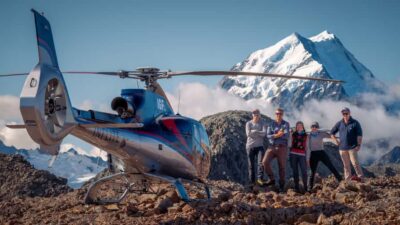
Mount Cook: Scenic Helicopter Flight with Alpine Landing
Read our review →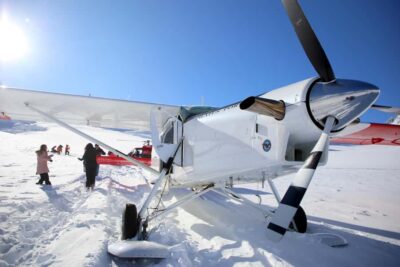
Mount Cook: Ski Plane and Helicopter Glacier Combo Flight
Read our review →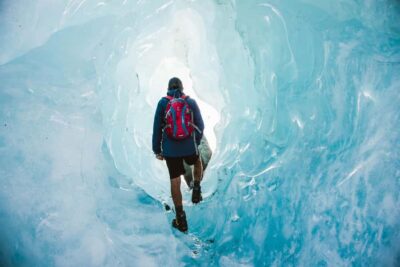
Mount Cook: 3 Hour Heli Hike to the Tasman Glacier
Read our review →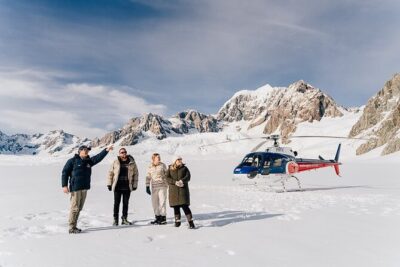
Mount Cook and The Glaciers 55-Minute Helicopter Flight
Read our review →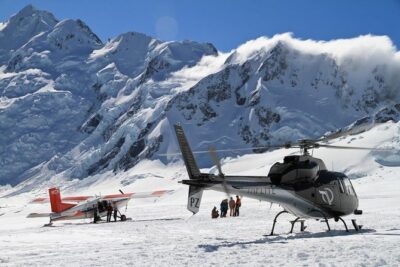
45-Minute Mount Cook Ski Plane and Helicopter Combo Tour
Read our review →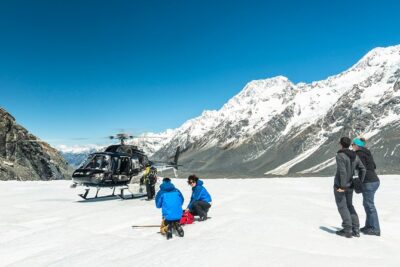
45-Minute Glacier Highlights Helicopter Tour from Mount Cook
Read our review →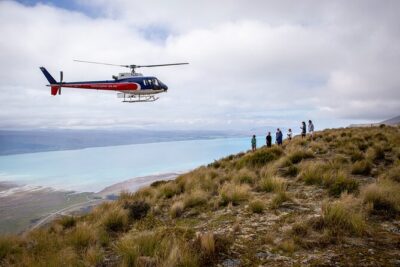
Browse the lists this tour appears in