
Review · NEW ZEALAND HELICOPTER TOURS
Canterbury: Mount Aorak/Cook Sightseeing Helicopter Flight
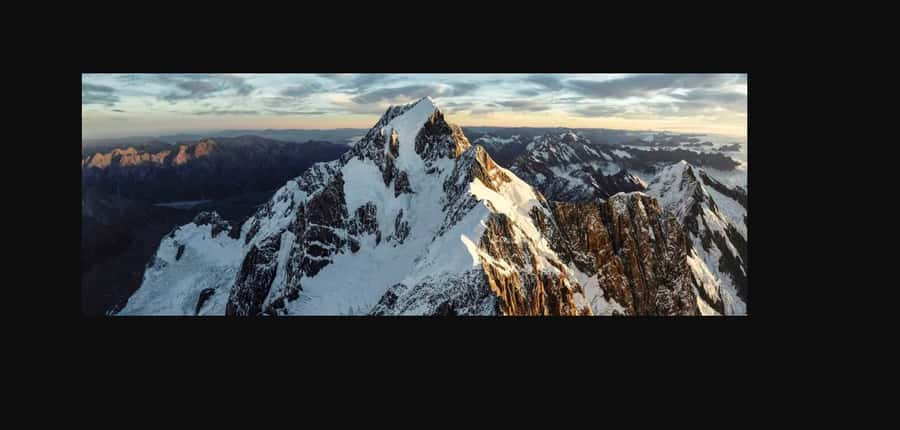
A helicopter flight over Aoraki/Mount Cook gives you a fast, thrilling look at New Zealand’s highest peak, then adds something a plane cannot: a landing in the alpine world. I like the combination of broad mountain views and the chance to step out into crisp mountain air. I also like that the pilot provides commentary, so the flight is more than a quick scenic ride.
The main catch is the weather. Cloud can cancel a morning departure, and the 30-minute flight is short for the price. Still, if you have clear skies and want a memorable introduction to the Southern Alps, this is a strong choice. Staff have also helped passengers with mobility needs, and pilot Simon has been praised for making the flight enjoyable and informative.
Key points at a glance
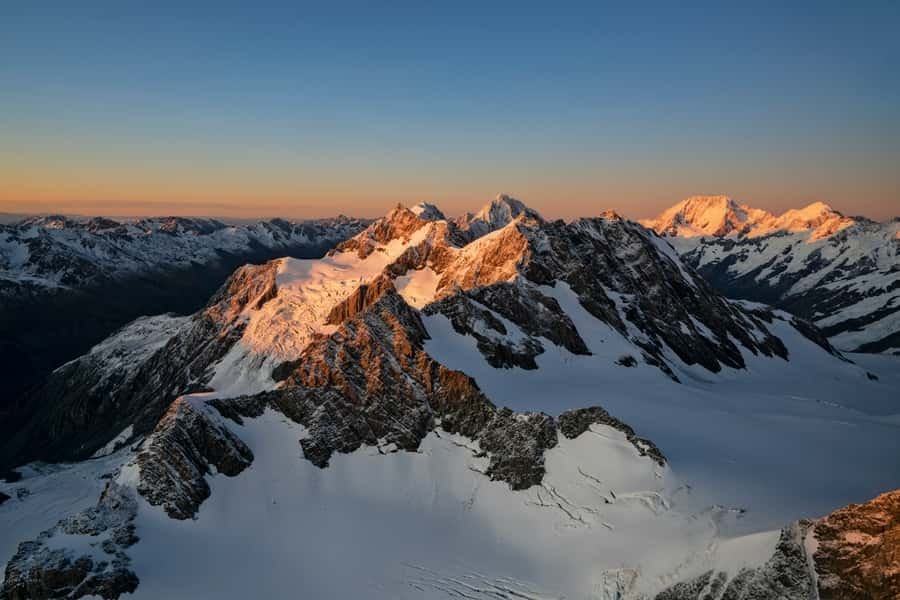
- Aoraki/Mount Cook from the air: See New Zealand’s highest mountain from a viewpoint that roads and walking trails cannot provide.
- Alpine landing included: Leave the helicopter for mountain air and photographs at a scenic alpine location.
- Tasman Terminal Lake views: Look for icebergs floating in the lake below the Tasman Glacier.
- A 30-minute shared flight: This is a compact sightseeing experience, useful when your time around Mount Cook is limited.
- Weather controls the schedule: Cloud and mountain conditions can delay or cancel the flight.
- Mount Cook Airport meeting point: You arrange your own way to the airport, since hotel pickup and drop-off are not included.
What this Mount Cook helicopter flight actually gives you
This is not a long expedition into the Southern Alps. It is a concentrated scenic flight, built around three memorable elements: the view toward Aoraki/Mount Cook, the Tasman Terminal Lake, and a short alpine landing.
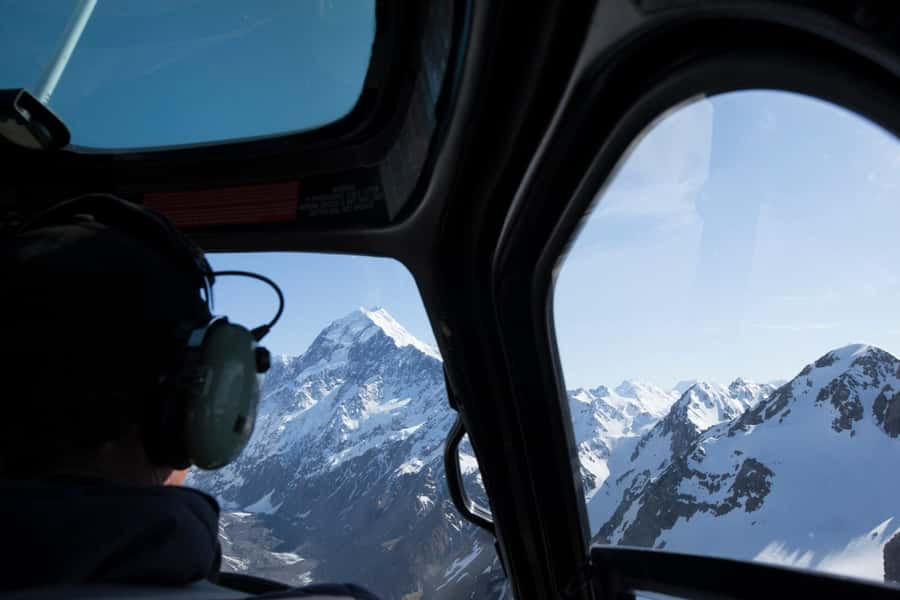
You check in with Southern Lakes Helicopters at Mount Cook Airport. Before takeoff, you receive a full safety briefing and meet the pilot who will also provide commentary in English. That briefing matters. A helicopter feels more immediate than a large aircraft, and knowing where to sit, how to board, and what to expect helps settle first-flight nerves.
Once airborne, the route heads toward the Southern Alps. The exact views depend on cloud, visibility, and the operating conditions that day. On a clear flight, you can expect snowy peaks, steep mountain faces, and a strong sense of how remote this part of New Zealand is.
Aoraki/Mount Cook is the star of the trip. At 3,724 metres, it is the country’s highest mountain, and seeing it from above gives you a useful sense of scale. From the ground, a peak can appear as a distant wall of rock and ice. From a helicopter, you see how the mountain sits among ridges, valleys, and other high summits.
More Sightseeing Helicopter Tours in New Zealand:
- NYC: Manhattan Sightseeing Helicopter Tour
★ 4.8 · 5,826 reviews - Dubai: Sightseeing Helicopter Ride from The Palm
★ 4.7 · 5,109 reviews - NY Helicopter Tour: Ultimate NYC Sightseeing (Heliport fees Incl)
★ 4.5 · 1,110 reviews
From Mount Cook Airport toward Aoraki/Mount Cook
The airport meeting point keeps the outing simple, but it also means you need to plan your own arrival. There is no hotel pickup or drop-off included, so allow time to reach Mount Cook Airport and complete check-in before the scheduled departure.
The flight is shared rather than automatically private. That keeps the listed price at $230 per person, but it also means the experience is less flexible than an exclusive charter. If you want the helicopter to be booked only for your party, ask Southern Lakes Helicopters about an exclusive flight when you reserve. The extra cost is confirmed separately.
The first minutes in the air are often the most exciting. You rise above the airport and begin to see the Southern Alps open around you. The pilot’s commentary helps connect what you see with the park below, though sound quality can vary. One passenger found the headset noisy and had trouble hearing the pilot, so do not be surprised if some commentary is harder to catch during louder or bumpier moments.
The flight can feel turbulent near Mount Cook. That is not unusual in a mountain setting, but it may make nervous passengers tense. If you are uneasy about flying, tell the staff before departure and listen carefully during the safety briefing. The aircraft is described as well maintained, and the crew’s attention to safety is part of the experience.
The Tasman Terminal Lake and its floating ice
One of the most striking sights is Tasman Terminal Lake. Icebergs can float in the lake below the Tasman Glacier, giving you a view that is hard to appreciate from a normal road or short walk.
From the helicopter, the lake becomes part of a larger pattern of ice, rock, and high peaks. You can photograph the icebergs from above, but keep your camera ready before the aircraft reaches the best viewpoint. Windows, reflections, vibration, and changing light can make aerial photography tricky.
The lake is also a reminder that this is a working mountain environment, not a staged attraction. The ice is constantly changing, and the view will not look exactly the same from one flight to the next. Your pilot can point out the main features, but the weather may limit how much of the lake or glacier you see.
This part of the route is especially valuable if you want more than a close view of one famous summit. You get a broader understanding of the Mount Cook area, with the glacier system and terminal lake set among the Southern Alps.
The alpine landing is the trip’s special moment
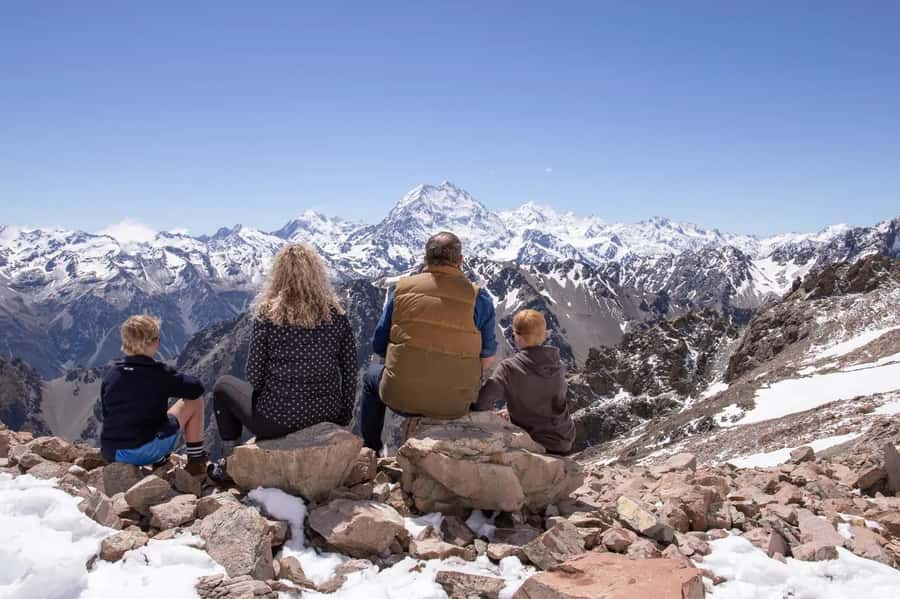
The landing is what separates this flight from a standard scenic ride. After viewing the peaks and lake from above, the helicopter sets down at a picturesque alpine location. You can step out, breathe cold mountain air, and take photographs with snowy summits around you.
The landing spot depends on conditions and operational decisions, so it should not be treated as one fixed viewpoint. That flexibility is sensible in the mountains. It allows the pilot to choose a suitable location rather than force the flight toward a particular patch of ground.
Give yourself a moment before reaching for your camera. The silence after the helicopter settles can be as memorable as the view. You are standing in a remote alpine setting, even if only briefly, and the change from engine noise to open mountain air makes the stop feel much longer than the clock suggests.
Wear comfortable shoes, since you may need to walk a short distance on uneven ground. Warm clothing is essential, even if the day feels mild near the airport. Add sunglasses and sunscreen, as bright conditions at altitude can be hard on your eyes and skin.
Do not bring a drone or selfie stick. Both are specifically prohibited. A normal camera or phone is fine, and a secure camera strap may be useful, though no special photography equipment is required.
A few more flights around New Zealand worth comparing
- Franz Josef Glacier: Helicopter Flight & Alpine Landing
★ 4.8 · 619 reviews - Franz Josef Glacier Heli-Hike
★ 4.5 · 618 reviews - Heli Hike Fox Glacier
★ 5.0 · 563 reviews - Franz Josef: 35min Helicopter Trip over Two Glaciers
★ 4.8 · 451 reviews
Commentary, pilot skill, and what the reviews reveal
The flight includes live English commentary from the pilot. That gives you useful context while the peaks and lake are in view, rather than leaving you to guess what you are seeing.
Pilot Simon received special praise for a smooth and enjoyable trip, including a memorable landing. Staff member Cain was also singled out for helping rearrange a passenger’s cancelled morning flight into an afternoon departure. That is worth knowing because weather changes are part of flying around Mount Cook, and helpful ground staff can make a difficult day much easier.
The commentary is not guaranteed to be perfectly audible at every moment. Helicopter cabins are noisy, and one passenger found the headset difficult to hear. If learning about the park matters as much as the scenery, pay attention during quieter sections and ask the crew if you miss an important explanation.
The flight crew has also assisted a passenger who used crutches and needed help getting in and out of the helicopter. The activity is listed as wheelchair accessible, but you should still discuss your needs with the provider before arrival. Accessibility in a helicopter depends on the person’s mobility and the boarding arrangements on the day.
Weather is the biggest practical risk
All flights are weather dependent. Cloud cover can cancel a departure, and mountain conditions can change quickly. A morning booking may not go ahead even when the forecast looked promising, so build some flexibility into your Mount Cook plans.
An afternoon flight may be a useful alternative if seats are available. The schedule can also be adjusted when the minimum booking number is not met. One passenger had a departure shifted from 3 p.m. to 1 p.m. after email communication with the provider. That kind of change is manageable if you keep the rest of your day open.
I recommend scheduling the helicopter flight early enough in your stay that you have some room to reschedule. At the same time, do not put it so early that a cancellation would ruin an airport connection or fixed activity. The reserve-now, pay-later option and free cancellation up to 24 hours before departure provide useful flexibility, but they do not remove the weather risk on the day.
If the flight is cancelled because of cloud, stay in touch with the airport desk. If another departure is available, you may be able to move your booking. Staff have shown they can help find a later place when space opens up, but you should not assume a replacement seat is guaranteed.
Is $230 good value for 30 minutes?
At $230 per person, this is not a cheap way to see Mount Cook. The flight lasts 30 minutes, and hotel transportation is not included. For many people, the cost will be the main barrier.
The value comes from the combination of views and the landing. You are paying for access to a remote alpine setting, not just a seat in a sightseeing aircraft. If you already plan to spend time around Aoraki/Mount Cook National Park, the flight adds a perspective and a physical location that standard sightseeing cannot match.
It is also a good option for a short visit. You do not need a full day, a long hike, or technical mountain skills. The flight gives you a concentrated look at the area and leaves time for other activities.
The value is weaker if cloud is likely, you dislike flying, or your main aim is simply to see Aoraki/Mount Cook from the ground. The national park has walking trails and viewpoints that cost less, although they cannot reproduce the aerial view or helicopter landing.
The shared format helps keep the cost lower than a private flight. If you are traveling with a small group and want privacy, ask about an exclusive departure, but expect a different price. A few passengers have received an upgrade connected with a glacier landing, but that is not part of the standard experience described here, so confirm exactly what is included before paying extra.
Who will enjoy this flight most?
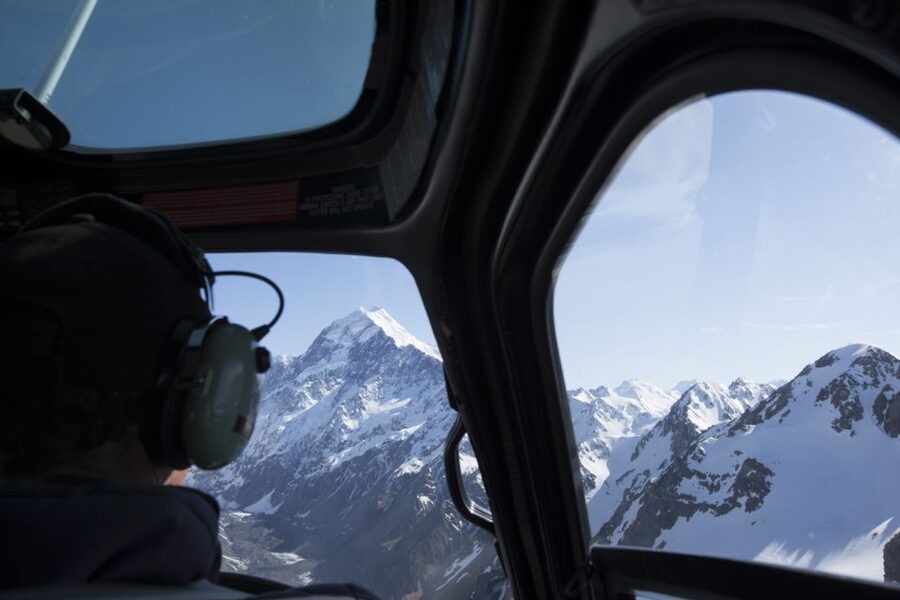
I would recommend it most strongly to people who want a big visual experience without committing to a long hike. It suits photographers, couples, families, and anyone visiting the Mount Cook area for a short time.
It is also a good choice for people who want a physical sense of the mountains. The alpine landing gives you more than a window view, even though the stop is brief.
You should think twice if you are very sensitive to turbulence, need a long and predictable itinerary, or have no flexibility around weather changes. The flight is short, but mountain aviation is not fully controlled by the clock.
For mobility needs, contact Southern Lakes Helicopters before booking. The activity is listed as wheelchair accessible, and the crew has provided hands-on assistance to a passenger using crutches. Clear communication in advance is still the sensible approach.
What to bring and how to prepare
Keep your clothing practical. Warm layers, comfortable shoes, sunglasses, sunscreen, and a camera are the recommended basics.
Avoid bulky or prohibited items. Drones and selfie sticks are not allowed. A phone or small camera is more useful than trying to carry elaborate equipment into a helicopter.
Arrive ready for a safety briefing and listen closely to the pilot’s instructions. If the headset is difficult to hear, mention it politely so the crew can help if possible.
Most important, leave room in your schedule. A clear forecast does not guarantee a flight, and a cancelled departure may be moved to another time if seats become available. The more flexible your day, the less stressful the experience will be.
Should you book the Aoraki/Mount Cook helicopter flight?
Book it if you want a compact but dramatic introduction to the Southern Alps, especially if an alpine landing matters to you. The aerial view of Aoraki/Mount Cook and the icebergs at Tasman Terminal Lake justify the cost for many visitors, and the pilot commentary adds useful context.
Skip it if $230 feels too high for 30 minutes, or if your plans cannot absorb a weather delay. For the best chance of getting full value, keep your schedule flexible, wear warm clothes, and confirm any accessibility or private-flight requests before you arrive.
FAQ
Where does the helicopter flight begin?
You check in with Southern Lakes Helicopters at Mount Cook Airport.
How long is the flight?
The helicopter flight lasts 30 minutes.
Is hotel pickup included?
No. Hotel pickup and drop-off are not included, so you must arrange your own transportation to Mount Cook Airport.
Will I see Aoraki/Mount Cook?
The flight is designed to provide aerial views of Aoraki/Mount Cook, New Zealand’s highest peak. Visibility depends on the weather.
Does the flight include an alpine landing?
Yes. The experience includes a landing at a picturesque alpine location, subject to operating and weather conditions.
Can I see icebergs during the flight?
The route includes views over Tasman Terminal Lake, where icebergs may be visible.
Is commentary provided?
Yes. Your pilot provides live English commentary during the flight.
Is the activity wheelchair accessible?
The activity is listed as wheelchair accessible. Contact Southern Lakes Helicopters before arrival to discuss your specific mobility needs.
What happens if the weather is poor?
Flights are weather dependent and may be cancelled or rescheduled. You can cancel up to 24 hours in advance for a full refund, and the provider may offer another departure if space is available.
Newly added flights around New Zealand
- Wellington: Scenic South Coast Discovery Helicopter Flight★ 4.8 · 4 reviews
- Wanaka: Scenic Helicopter Flight with Glacier Experience★ 5.0 · 42 reviews
- Wānaka: Scenic Helicopter Flight Wānaka Max★ 5.0 · 11 reviews
- Wānaka: Heli Siberia – Helicopter Flight, Hike & Jet Boat★ 4.6 · 4 reviews
- Wānaka: Heli Siberia Max – Helicopter Flight, Hike, Jet Boat★ 5.0 · 3 reviews
- Wānaka: Helicopter Scenic Flight Wānaka Experience★ 5.0 · 4 reviews
- Bay of Many Coves, Marlborough Sounds- Heli-lunch from Wellington★ 5.0 · 8 reviews
- 15-Minute Wellington Harbour Helicopter Flight★ 4.0 · 9 reviews
New Zealand Helicopter Tours, compared.
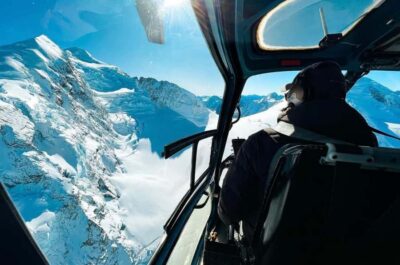
Franz Josef Glacier: Helicopter Flight & Alpine Landing
Read our review →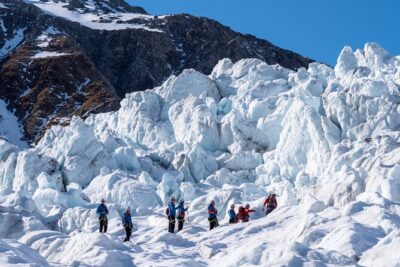
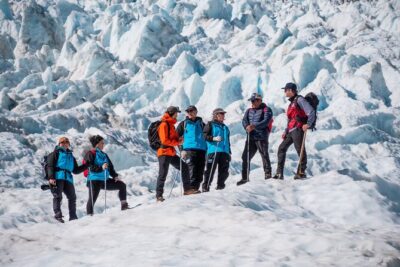
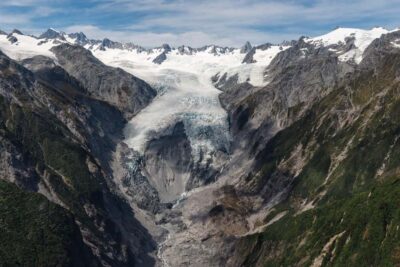
Franz Josef: 35min Helicopter Trip over Two Glaciers
Read our review →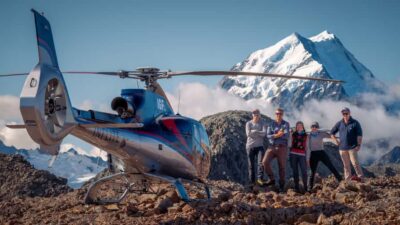
Mount Cook: Scenic Helicopter Flight with Alpine Landing
Read our review →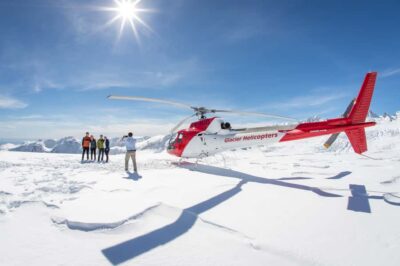
Franz Josef & Fox Glaciers Helicopter Flight & Snow Landing
Read our review →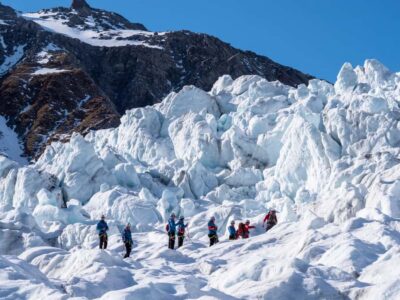
Franz Josef: 2.5 Hour Glacier Hike with Helicopter Transfer
Read our review →
Fox Glacier: Up to 3 Hours Hike with Helicopter Transfer
Read our review →Browse the lists this tour appears in